
Peter Plagens has been a prominent voice in American art criticism for decades, providing trustworthy and eloquent guidance to the enigmatic and sometimes bewildering world of contemporary art. Plagens is also a practicing painter, which affords him special insight into art practices and sets him apart from other critics. He is drawn to undervalued work and has repeatedly demonstrated the rewards of looking carefully at what the klieg lights have ultimately passed over. On the occasion of Peter’s retirement as art critic for the Wall Street Journal, we are republishing this essay, which originally appeared in Art News in 2010. The piece starts with a look at Ralph Meeker, a half-forgotten movie actor, and opens into something larger: memory, family, and a life of paying attention to the things other people walk past. A pleasure to read, it’s the work of a critic who trusts his own eyes and his own words. –Sharon Butler

Contributed by Peter Plagens / My father always liked the off-brand, the second-place, the runner-up, the lower-priced slightly funky, diner down the street that fewer people went to. It was the same with him with movies; my father liked the guys down the list from such stars as John Wayne or Clark Gable that everybody else liked. My father favored guys with something funny or strange or just something, well, not-quite about them.
Ralph Meeker, who played Mickey Spillaine’s private eye Mike Hammer in the 1955 movie Kiss Me Deadly, was like that: passably handsome and self-assured, but a bit chipmunky in the cheeks and soft in the hands, with a strained, breathy and not really tough-guy voice that sounded more like that of an overworked cabbie than a vengeful P.I. Meeker did look pretty good in a suit and tie, though, but as an allegedly hardboiled protagonist, he seemed locked in that suit and tie the way The Man in the Iron Mask was locked in an iron mask. Meeker also had a tiny, barely noticeable—but quite irritating once you found it—parakeet ruffle at the crown of his smooth haircut. It bore a hole right through his character’s street cred.
But those little flaws were probably precisely the things my father liked about Ralph Meeker, although he never told me so outright. He never told me so probably because he wasn’t quite conscious of his preference for the B-list in practically everything. My father also had lots of little things wrong with him, and he ended up a not-quite guy, too. He was six feet tall, mustachioed, and square-jaw handsome, but he let his teeth go to hell and was shy about smiling. Ralph Meeker was his soul brother: Meeker in the leading man business, my father in the minor-league advertising art business.
My parents were from Cleveland, a Ralph Meeker of cities. My mother’s family consisted of smoking, drinking, laughing, truant Irish Catholics with a lot of hanging flesh above their elbows. My father’s parents were pious, abstemious descendants of German Lutheran clerics. Their bodies were as spare as their appetites. Somewhere along the line, my paternal grandfather converted to Christian Science and became a practitioner. My father followed in the faith, although only as an off-and-on churchgoer and bedtime reader of Science and Health, with Key to the Scriptures. It was enough, however, to make him something of a dreamy amateur philosopher and—I see so clearly in retrospect—terribly unsuited for the sharky business in which he inadvisedly chose to try to make his living.
Early in World War II, when I was a toddler, my father—too old to be drafted—was sent to southern California to help make instructional films for the Army Air Corps. At the end of my fifth-grade year, however, he had lost yet another small ad agency job and we had to sell our little mint-green stucco house for a pittance in cash and scuttle back to Cleveland to move in with the Irish grandparents. In Cleveland, there was a mom ‘n’ pop grocery store at the end of our street that was run by “old man Meyers,” who was palsied. The other boys on the block called the store “Shakey’s,” and I followed along obliviously, as though the epithet were the name on the awning. When we got our allowances, we’d go there to buy soda pop from the cooler. You lifted the red lid and picked your poison from a forest of bottles sitting in ice water that smelled of galvanized tub metal with a faint hint of rubber. Genuine Coca-Cola or Seven-Up, in six- and seven-ounce bottles respectively, were only a penny cheaper than twelve-ounce off-brand sodas.
I always went for the bargain, doubling the quantity for one cent. And I always chose something oddball, garishly colored, and more blatantly artificial than Coke or Seven-Up. Semi-opaque yellow banana-pineapple from some unknown soda pop company in Toledo, with an unsightly sediment at the bottom of the bottle, was my favorite. Entirely bereft of schoolboy glamour, it nevertheless tasted good. And although there were usually only a couple of bottles of off-brand soda pop in Shakey’s cooler, I always got what I wanted because none of my friends—much bigger and intimidating friends, since I was small for my age, and young for my grade to boot—would have anything to do with the likes of banana-pineapple. They’d say, “Plagens, how can you drink that crap?” My father purchased similarly: local beer instead of Budweiser, and in quart bottles instead of by the six-pack, so he could pour his own glassful for less.
The man who’d forced my family to move back to Cleveland by shutting down his advertising agency called one day and said he was back in business. He persuaded my father to move us yet again, back to southern California. Alas, he soon folded his business once more. My father managed to get another job and then another and another, but he more or less spun his wheels the rest of his working life by bouncing from one small advertising agency to another, for lower and lower pay. He tried rather unsuccessfully to make up the difference by doing freelance layout work in a spare room at the back of our house. During his descent, my mother saved the family’s bacon by going out and getting a job. She started as a clerk-typist with the Board of Education and ended up, twenty years later, retiring as assistant registrar at a community college.
My father turned out to be not all that unhappy with being relegated to a distant second in the moneymaking category. “Freelancing” gave him more time not only to delve deeper into Mary Baker Eddy, but also to read the stacks of books he liked to bring home from the Echo Park or Hollywood branches of the L.A. Public Library. His unerring attraction to the off-brand, the modest achievement, the unfairly unsung, etc., worked best with books—fiction and science-fiction in his case. Instead of Hemingway or Faulkner, or Ray Bradbury or Robert A. Heinlein, he would bring home Richard Hughes and Vercors, Alfred Chester and A. E. van Vogt. And not Hughes’s relatively popular A High Wind in Jamaica, either, but the lesser-known In Hazard instead. He’d pass such books on to me, saying, “If you want to read a real writer, read this.”
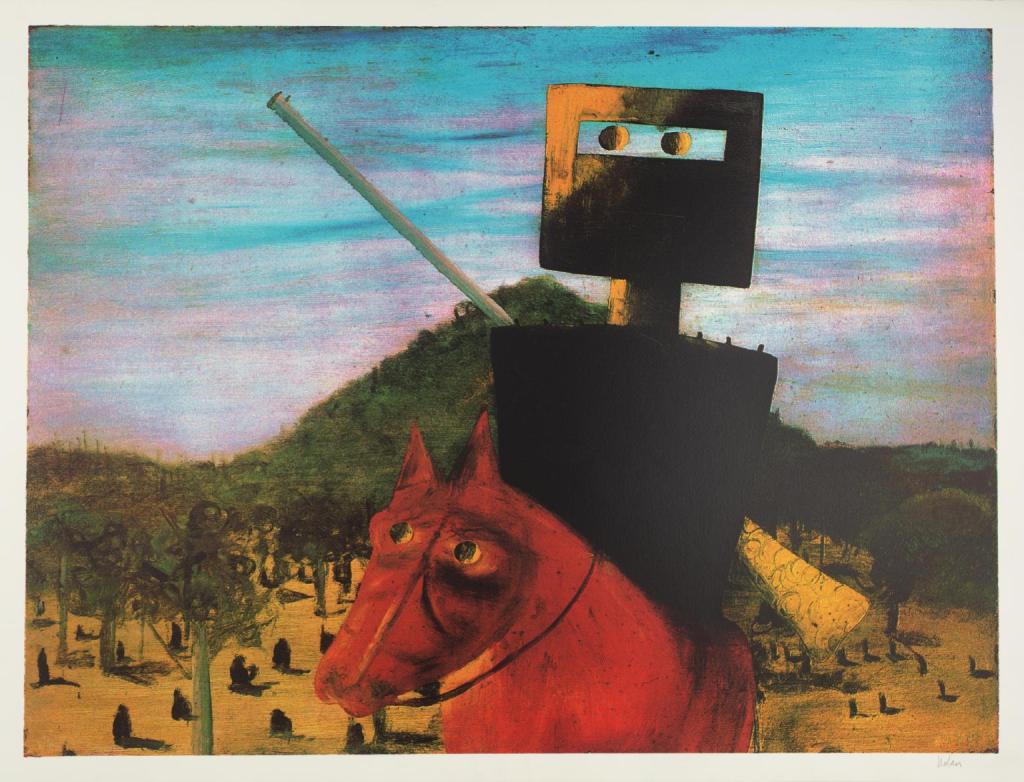
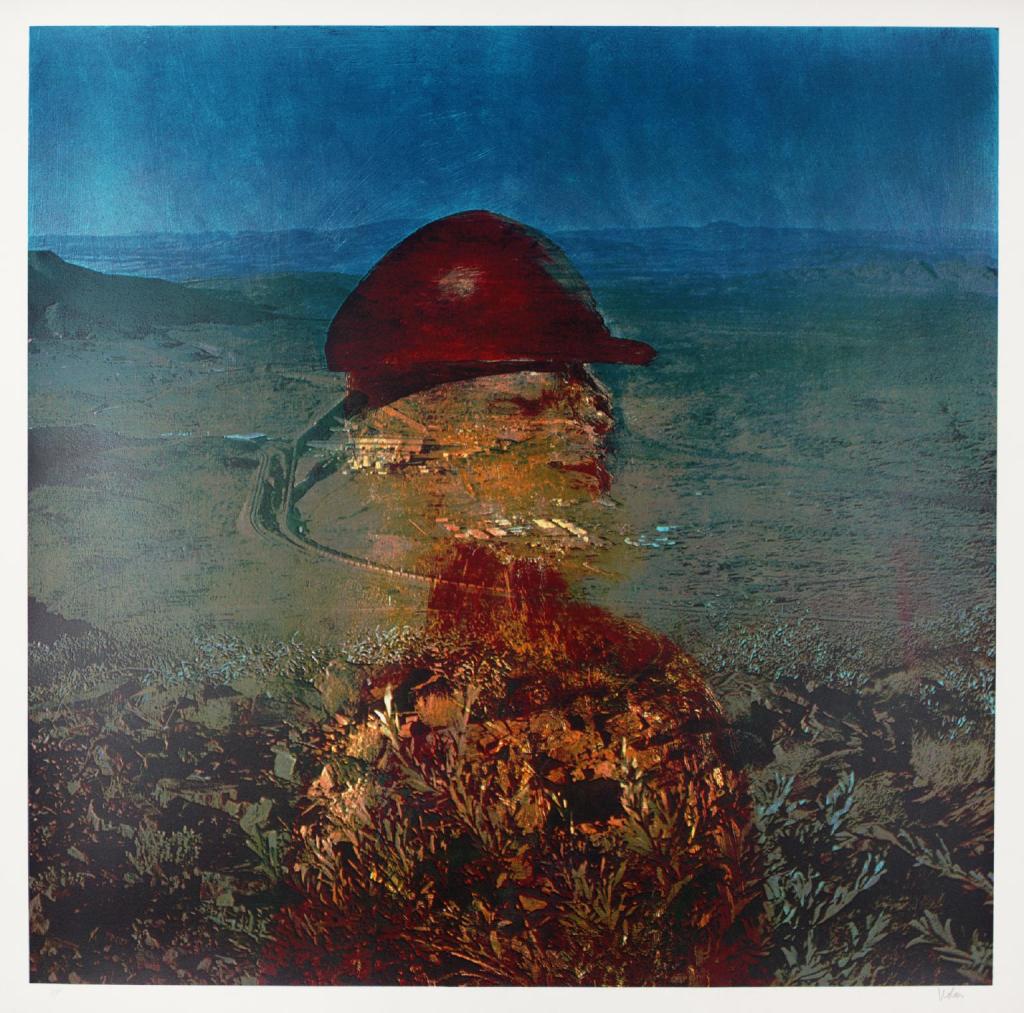
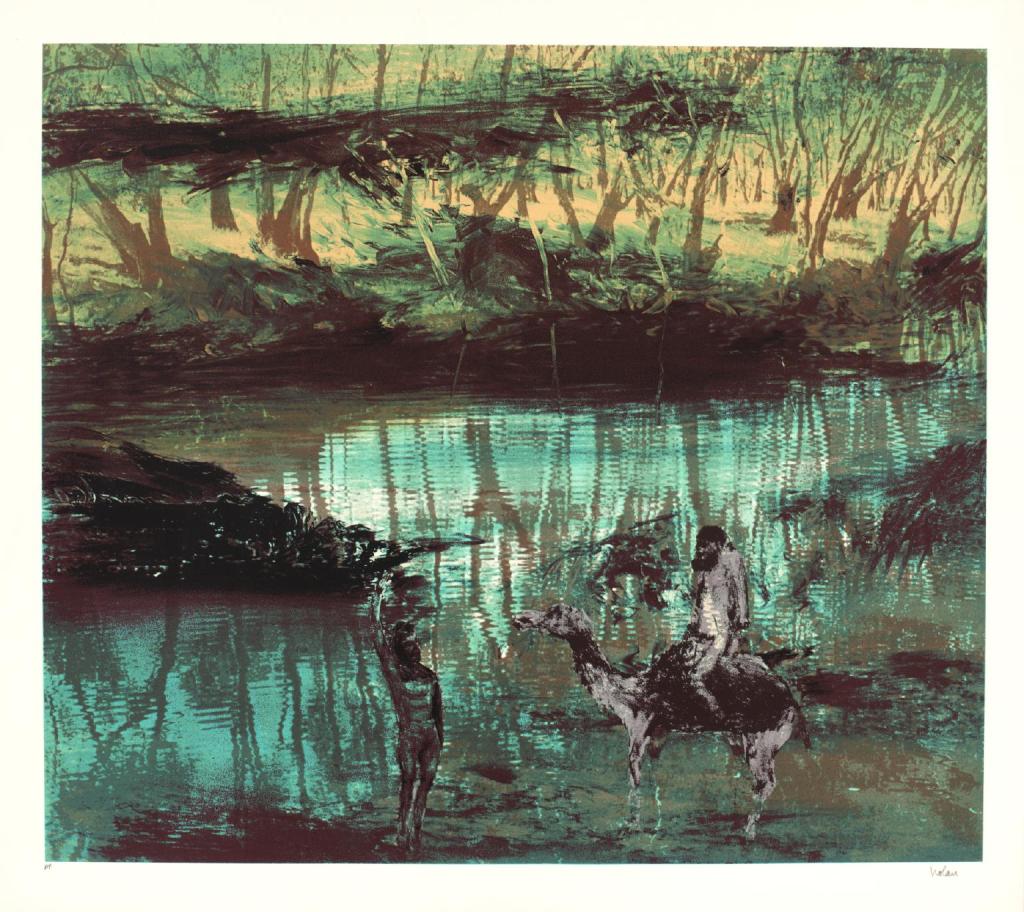
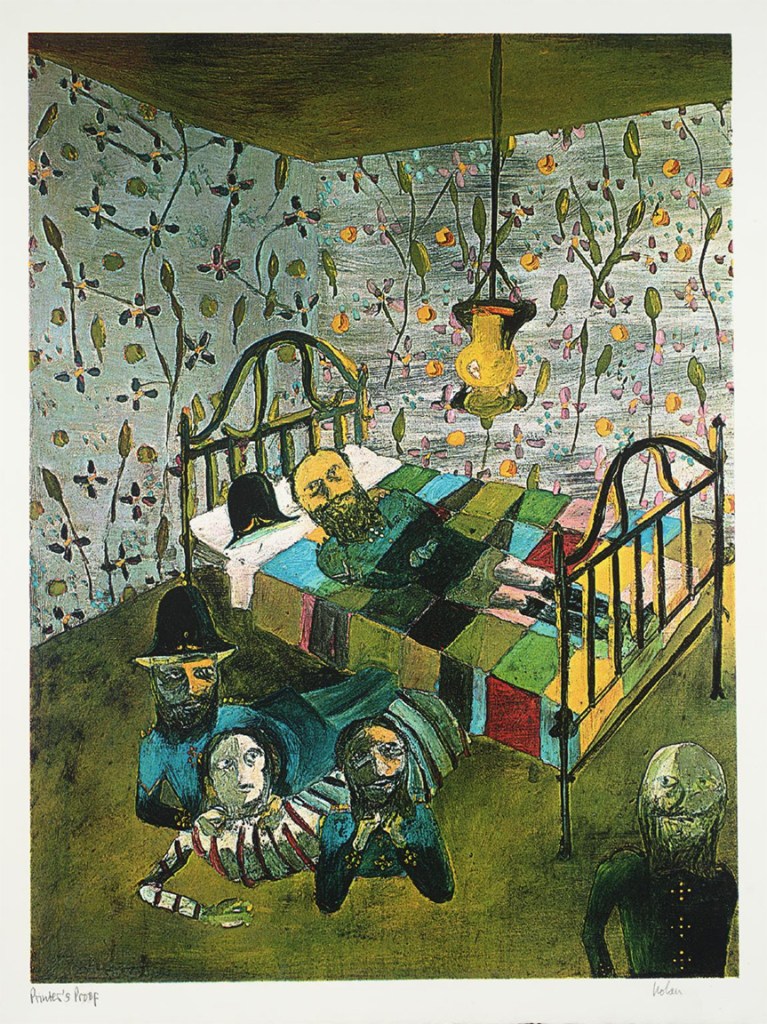
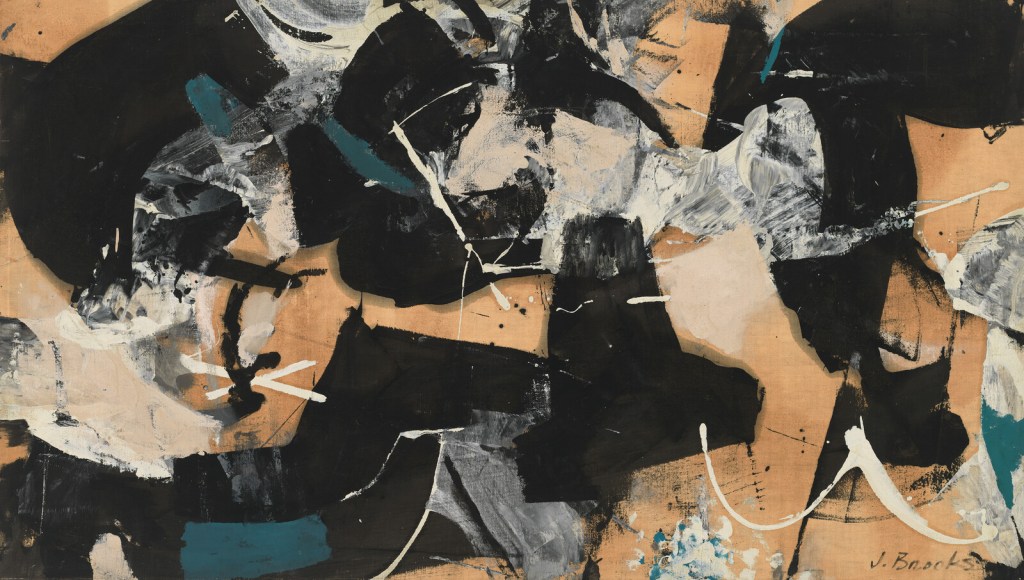
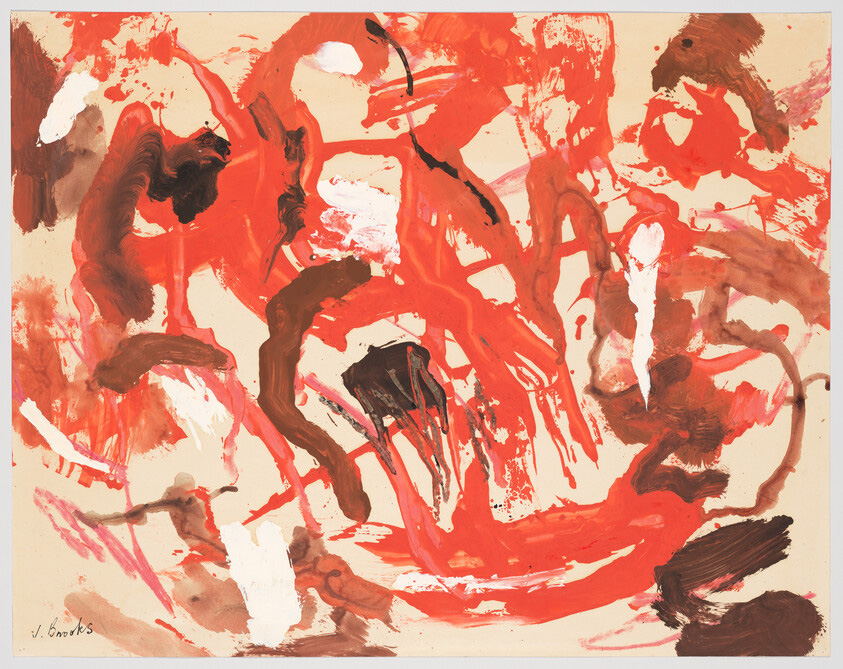
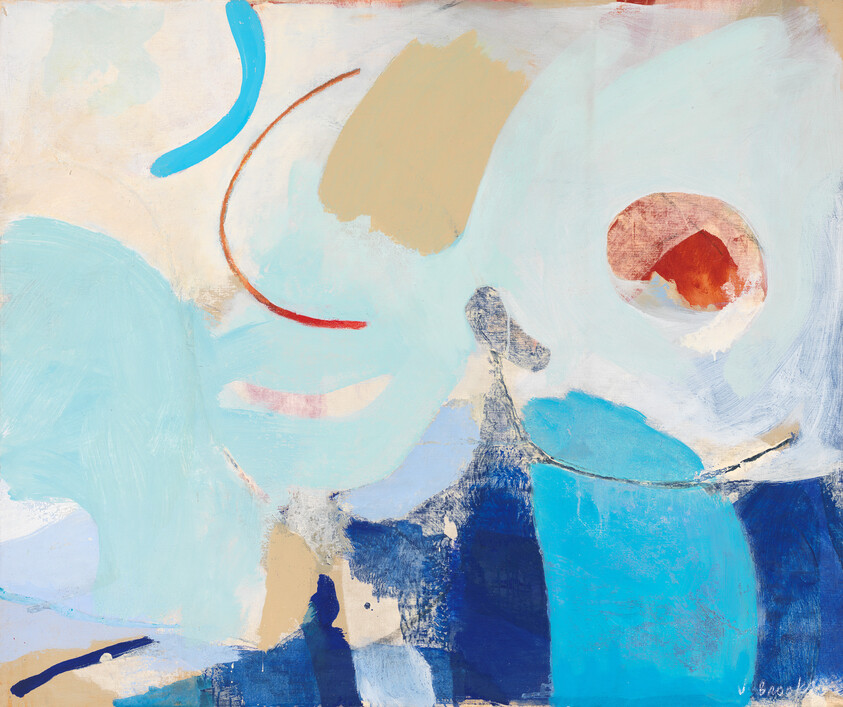
No surprise, I’m a lot like he was. I tend to pull back and crankily see myself more as a midlist anti-hero, an honorable runner-up done in by fashion-followers, instead of reflexively assuming I’m hot shit and going for the gold. But I keep asking myself: Do we inherit this sort of stuff from our fathers because we hung around it all the time as children and adolescents, or is it a real gene deal? Is it DNA or Pavlov constantly delivering me, too, to the underdog, the banana-pineapple soda pop in the cooler, talky noir movies, or a nice show of James Brooks instead of Willem de Kooning, a Sidney Nolan exhibition instead of Lucien Freud’s? (Immodestly, I’ll say that there are some virtues in this: It takes a little mental grit, especially in these days of over-hype, not to slide down the sluice of received wisdom about the textbook greats and instead do some hard looking at the likes of Brooks or Nolan.)
The whole thing is a matter of some consequence, since the matter has consequences. Aficionados of the off-brand and the mid-list tend to shy away from the spotlight, from intense and open competition, from clawing our ways to the top. We’d rather stand to the side and think about things. We’d rather be professors of literature than famous novelists, organizers of film festivals rather than directors, pundits rather than politicians, and—sometimes—critics instead of artists.
None of this is meant to diss Brooks (a really good non-headliner Abstract Expressionist), Nolan (whose principal debility as a pre-global-age artist was being from far-away Australia)—or Ralph Meeker, who enjoyed a long and full career as an actor. He was even married for a couple of years to the very sexy actress Salome Jens, who was an item of controversy when she starred in Angel Baby, a movie about religious huckstering. No, this is about my wondering why I, too, am drawn to the off-brand diner down the street and why, with a raft of big-budget new releases preening like peacocks on the DVD shelves of my local video store, my gaze zooms right to the re-issues from the “Noir Collection” and spots Kiss Me Deadly. Maybe after I watch it, I’ll start rereading In Hazard. And after that, I’ll go up to the Whitney Museum or over to the Brooklyn Museum to see if I can find one of their James Brooks paintings to admire.
About the author: Peter Plagens is an American artist, art critic, and novelist based in Northwest Connecticut. He is represented by Nancy Hoffman Gallery in New York.








Muchas gracias. One teensy fix: I’m retiring from art criticism, period, not just from the WSJ, whose arts editor, Eric Gibson, is one of the best editors around.
Loved this. James Brooks’ Rodado changed my life, and I like Meeker in that Sam Fuller revisionist Western—name is escaping me?
That western would be “Run of the Arrow,” essentially parroted by Kevin Costner in “Dances With Wolves.”
Thanks for reposting this. Quiet idiosyncrasy, whether inherited or developed along the way, is a treasure, and still capable of leaving a mark.
What a delightful read! Deeply revelatory about a critic I’ve always admired without knowing much of his back story, engaging and witty, and a nice introduction to two painters I should know better. And I thoroughly agree about Eric–who may be one of the last of the great editors of print journalism.
Liked this very much, Peter.
Enjoyable and revealing. thanks for reposting.