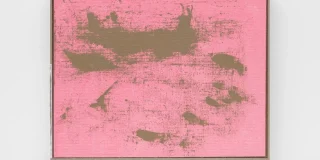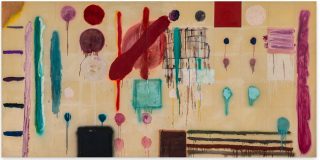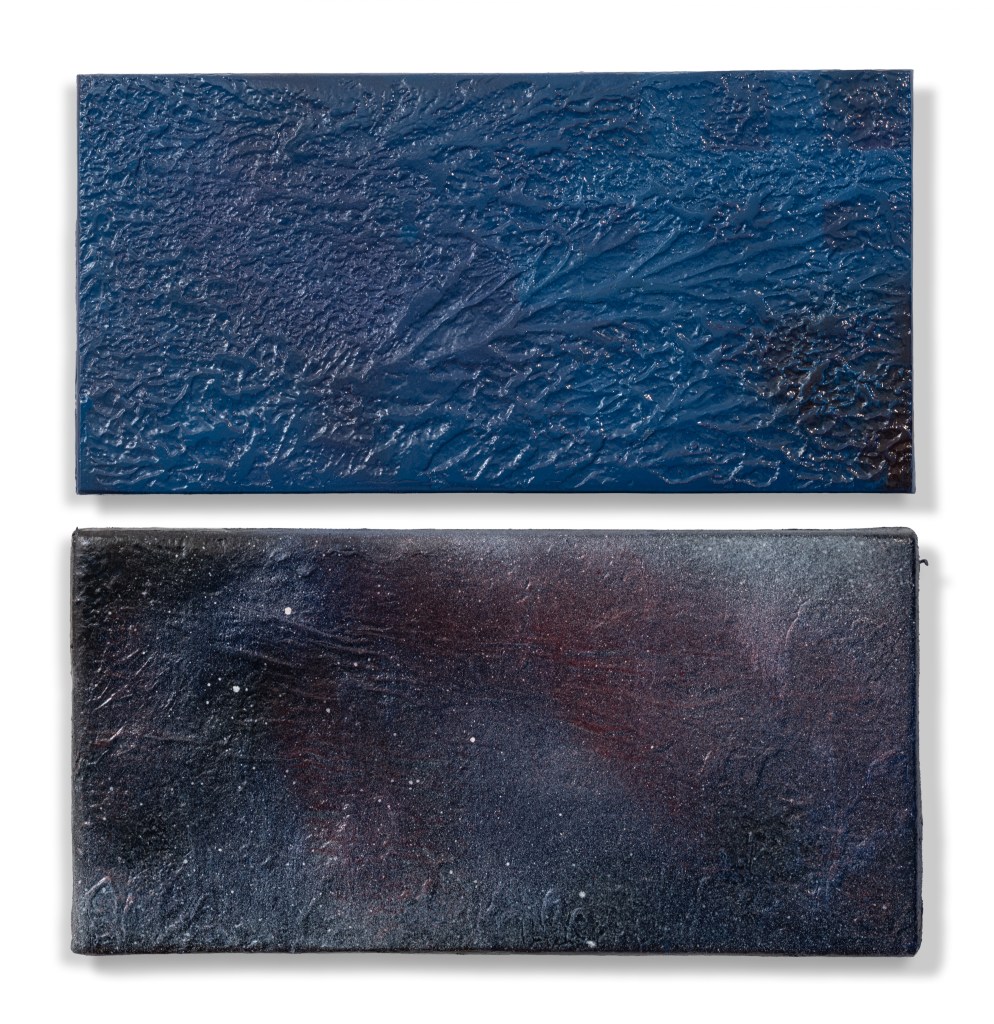
Contributed by Jonathan Stevenson / Broadly speaking, George Negroponte’s recent paintings, now on view at Anita Rogers Gallery, qualify as Minimalist abstraction. But they impart none of the aloofness of, say, Ellsworth Kelly or Robert Ryman. Negroponte is an emotive Minimalist, in the vein of Brice Marden, Sean Scully, Fergus Feehily, and perhaps Pat Steir, with comparable warmth and wit but more decisive narrative thrust. His key tools are a subdued palette, economical and precisely variegated composition, versatile brushwork that only looks casual, a wide range of surface textures, and, to establish storylines, the diptych form. He wields them masterfully. He can be selective in which tools he applies, as with stridently penetrating pieces such as Catherine Dying, Crucifixion Drawing, La Tempesta, Listening (Water), and Scent of an Olive (Dmitri), and he brings all of them to bear in works like The Sacred Surface, a diptych in which a murky, thickly imprinted swatch of bluish ground is juxtaposed with a mutedly phantasmagorical vista.
Aiding the cause is Negroponte’s acute knack for chiming optimally elliptical titles with the scenarios and impulses he apparently intends to evoke. It’s a subtle form of control, well short of aesthetic despotism. Two asymmetrical diptychs in particular subsume, in the intuited space between each panel, grist as rich as any mural’s spool of content. In Sorrow, the first panel is all white save for a small grey corner lower-left, the second panel larger, darker, and turbulent, completing the emotion. Get on the Train comprises a dense green expanse whose grudging gaps between brushstrokes near the bottom suggest sunny lounging and boat drinks, and a larger black canvas that elbows the reluctantly departing hedonist envisioned in the title’s imperative out of inertia. Salt and Memory offers especially fine-grained nuance – the top piece suggesting the sea’s gentle impingement, the bottom one a possible threat. Other paintings, such as the black-on-white but expressively veined diptych Unconditional Love and the overtly geometric Birthright (NYC 1953) and My Town, are more straightforward and land more readily.
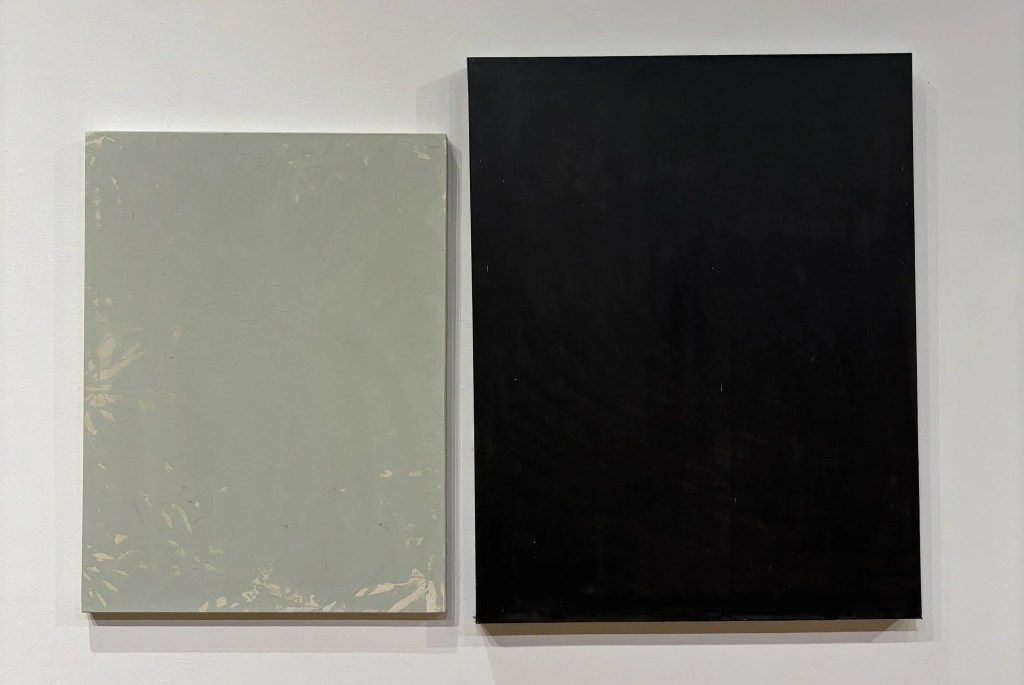
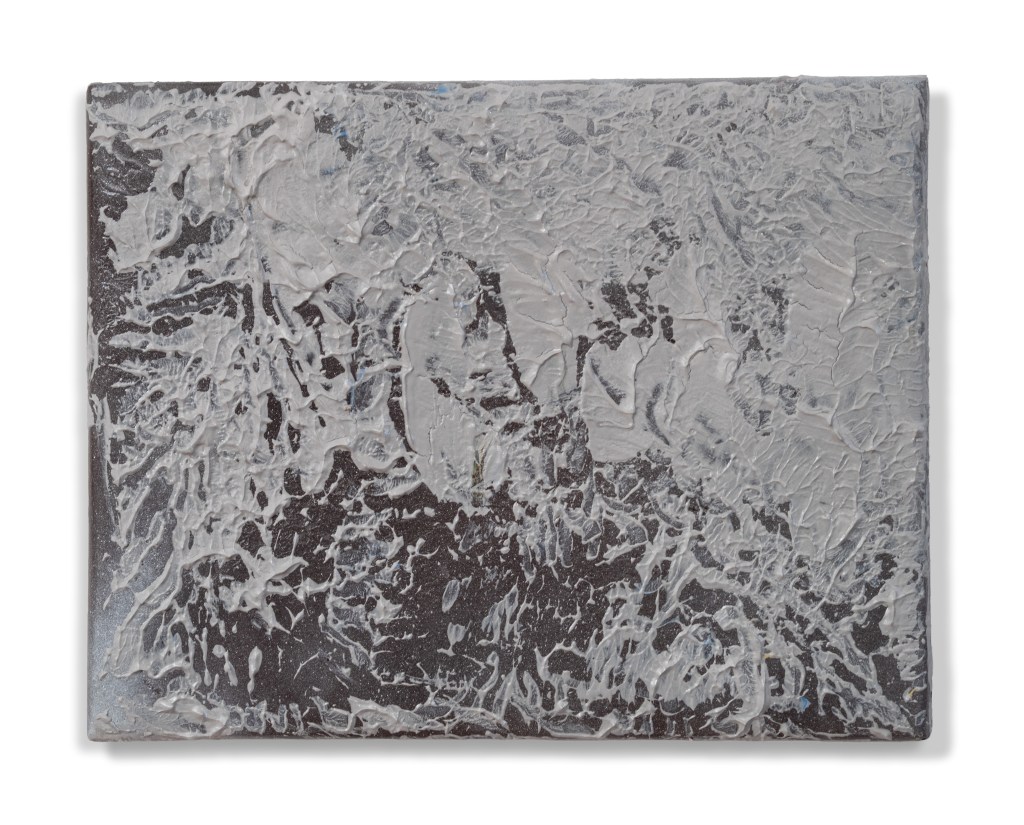
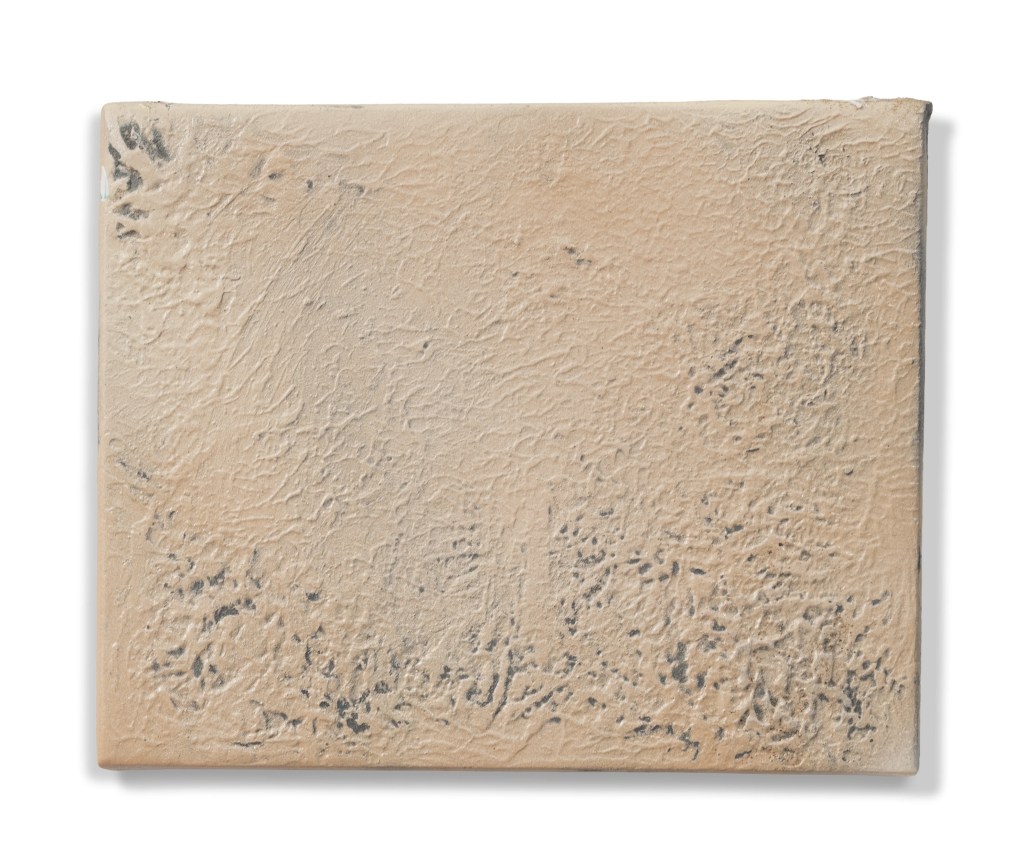
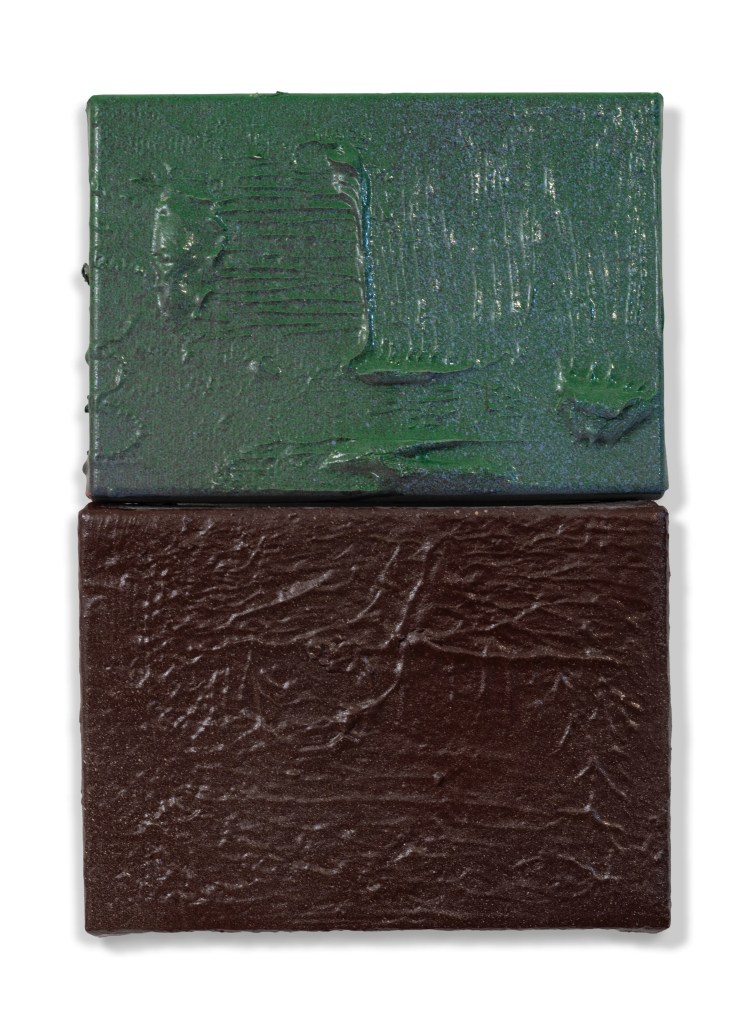
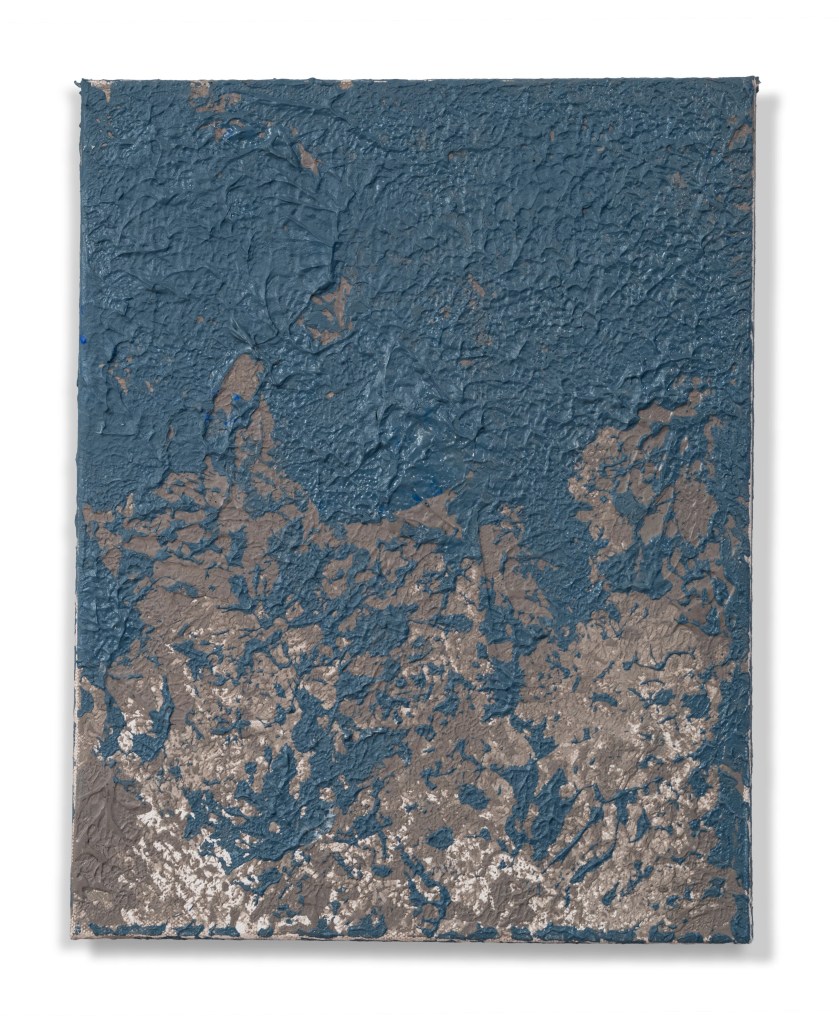
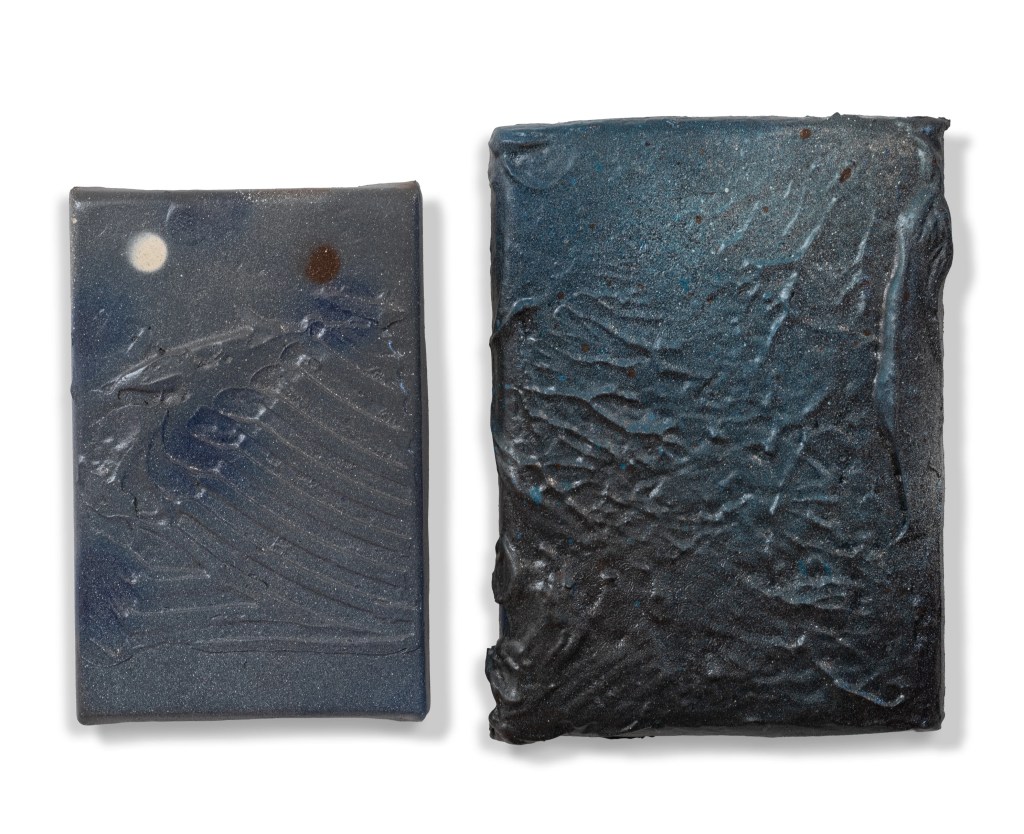
The work here is freighted with art history and generous with tribute but invariably maintains originality, resolve, and direction. When, in the compact diptych Vestiges for Hans Hofmann, Negroponte fossilizes the painter and teacher’s innovations by way of Hofmann’s own impasto technique in depthless green and brown, he is dropping a footnote that illuminates his own search for the real, likewise remembering Ad Reinhardt and Haruki Murakami. Ancient Debt, another beautifully calibrated pairing, generalizes embedded notions of legacy and gratitude, the smoother and smaller of the two canvases perforated like a keychain amulet. In two canvases hung separately, each titled Elegy, a lone rectangle, one blue and the other a struggling red, sit along the top edge of an otherwise bland, mottled white field, quietly holding your attention. The red rectangle in In Due Time is solid and pulled back from the edge, perhaps signaling coveted security. In The Reckoning (Brice), a terrific little painting, past and future come fatefully together, as they must, in the solemn dissipation of density and line. The Unavoidable is a Hitchcockian jaunt that gets at the same psychic idea with shapes and color.
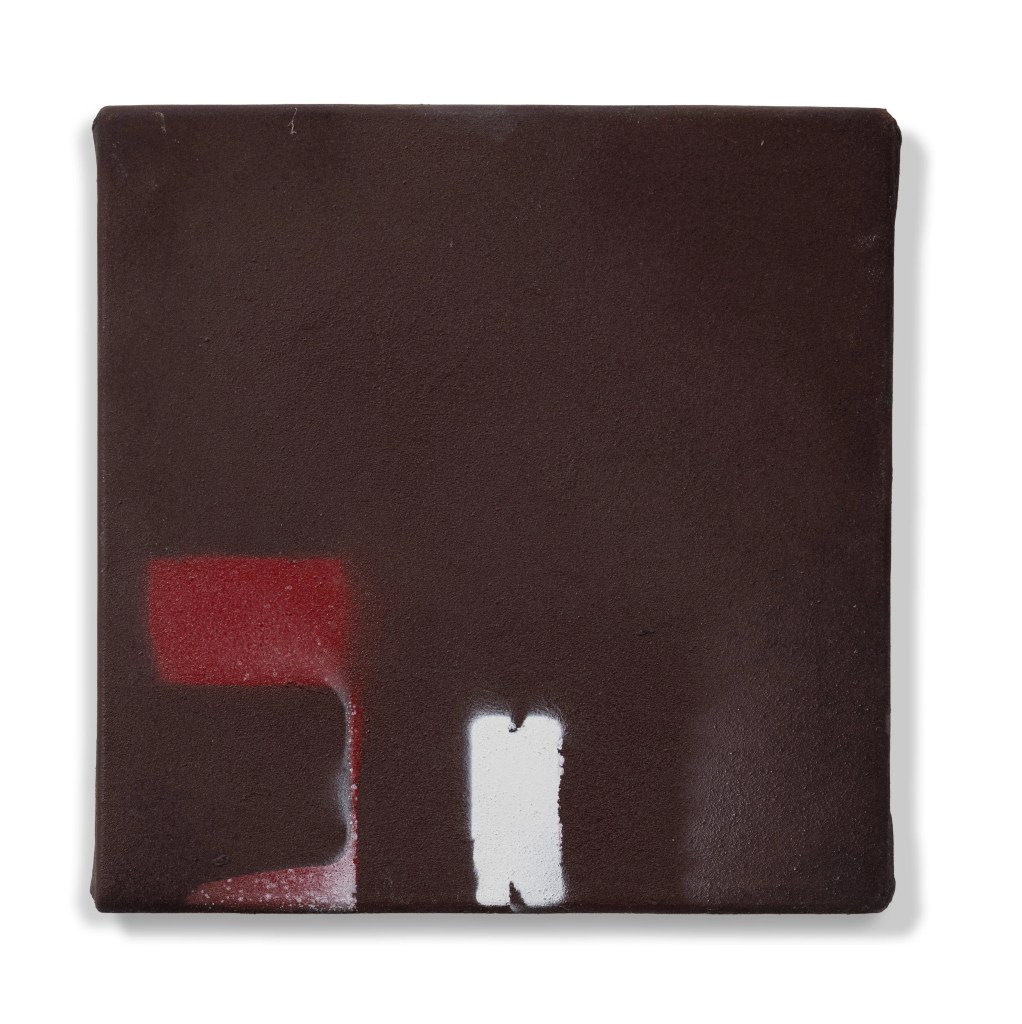
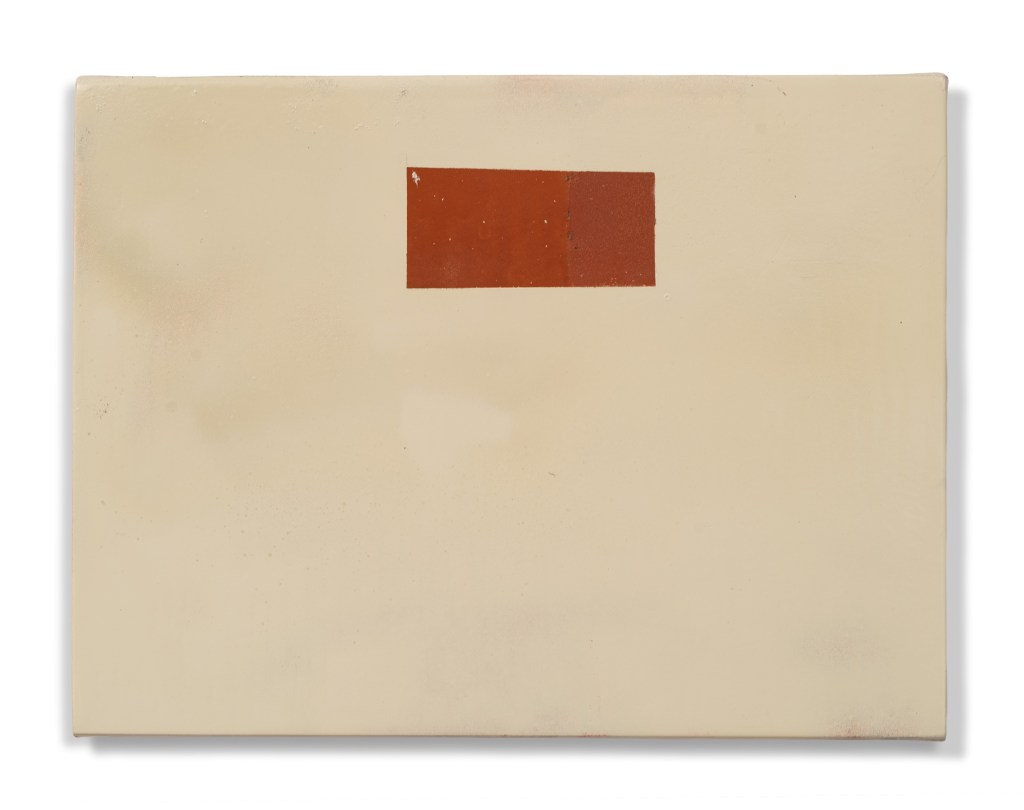
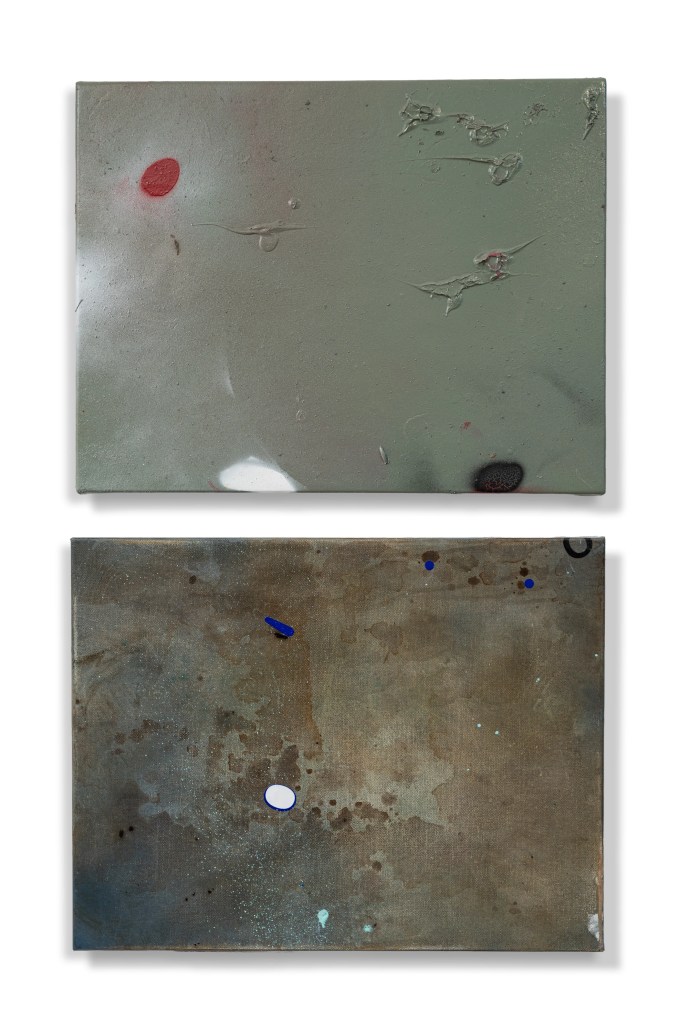
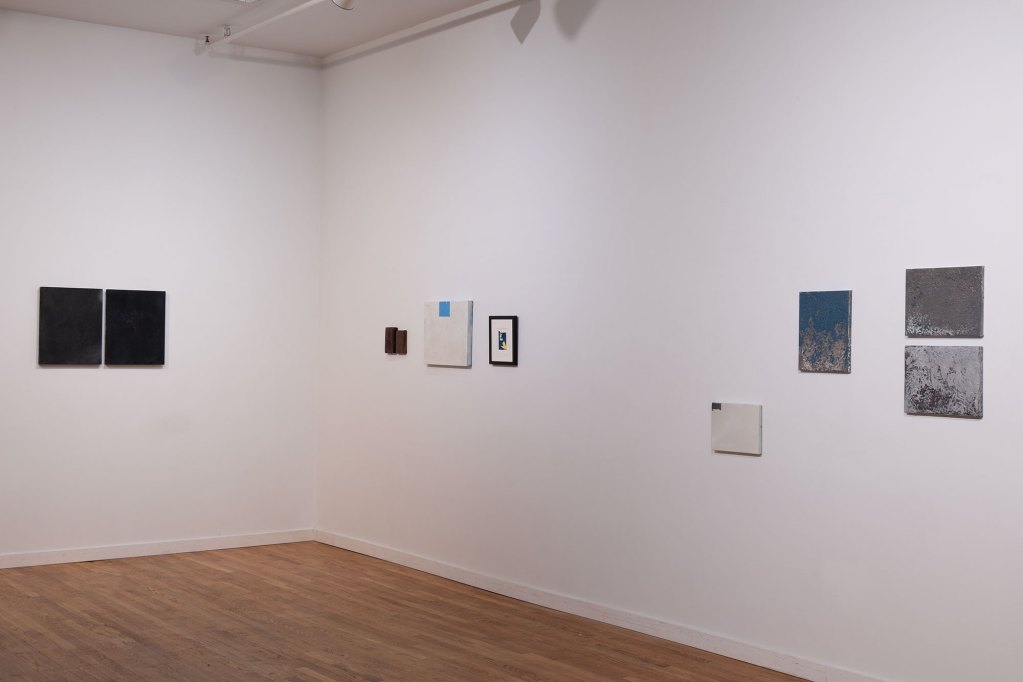
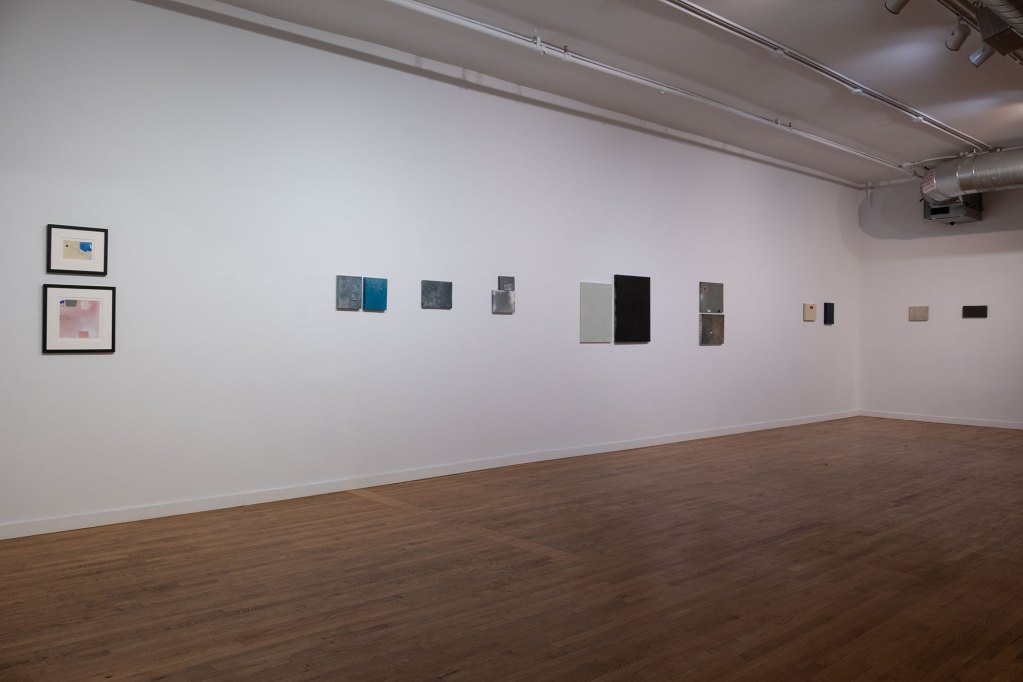
Negroponte’s work is unapologetically pensive and personal. Yet his magisterial command of the counterpoint between these insular traits and worldlier concerns, like that of exceptional philosophers and novelists, makes his receding affect seem almost assertive, firm from the conviction that this blend of interior and exterior is or should be compelling to others, too. It’s not illogical, of course, to exist in lofty humility, and some Negroponte constructions seem to embody a sardonic Wildean duality – down-and-out or distressed but looking at the stars. Bathers, in which turbulent waters yield to a deep blue sea, is an example, as are Attending, One Safe Place, and The Unfixed in their linkage of trepidation and comfort. His pervasive ability to domesticate and entrench this kind of uneasy bifurcation sets him apart. The show’s title, “Everything I Know,” recalls that of James Salter’s valedictory novel, All That Is. Salter’s adamantine prose never blanched at his truth, but that truth could be cold and bitter. Over time, some artists gain candor and sophistication at the expense of heart. With Negroponte, they all march in lockstep.
“George Negroponte: Everything I Know,” Anita Rogers Gallery, 494 Greenwich Street, New York, NY. Through December 19, 2026.
About the author: Jonathan Stevenson is a New York-based policy analyst, editor, and writer, contributing to the New York Times, the New York Review of Books, and Politico, among other publications, and a regular contributor to Two Coats of Paint.