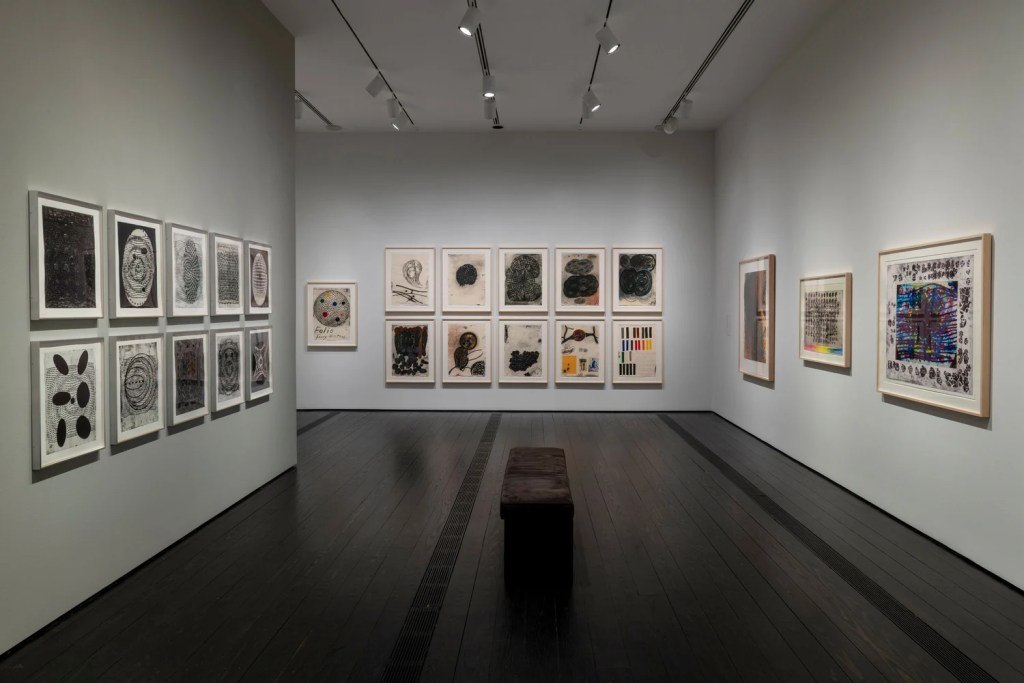
Contributed by Jonathan Stevenson / In the Marshall Tucker Band’s road classic “24 Hours at a Time,” the driver’s been down around Houston, but feels compelled to keep his wheels rolling. If you like art, though, Houston, Texas, is no place to blow through heedlessly or in too much of a hurry. Its art community is remarkably rich and somewhat dispersed, and rewards purposeful meandering rather than surgical strikes. Still, I only had a couple of days. A sensible strategy was to start at the Menil complex, located in a serene, unobtrusive neighborhood in the heart of the city, and fan out. The main collection, keynoted by Houston painter Dorothy Hood’s formidably portentous 1970 painting Clouds, currently features an incisive and intensive Terry Winters show, “Vitalized Geometry,” and a bracing array of surrealist work, opening with a tight Max Ernst room that coyly opens up to much more.
From there I segued to the Menil’s nearby satellite spaces. The Rothko Chapel and Barnett Newman’s Broken Obelisk seem especially resonant now, with Texas improbably in the vanguard of the country’s salutary political reorientation. In 1969, the de Menils offered to match a grant the City of Houston had received to purchase a sculpture for public display. The city chose Newman’s piece and planned to install it near City Hall but refused Newman’s request that it be dedicated to Martin Luther King Jr. The de Menils then withdrew their offer and bought the obelisk outright, dedicated it as Newman wished, and placed it strategically next to the emphatically non-denominational chapel in 1971. In 2018, vandals dumped white paint in the chapel entrance and in the reflecting pool surrounding the sculpture and dropped fliers that said “it’s okay to be white.” A year later, Gary Clark Jr., the great Black singer-guitarist from Austin, released the galvanizingly haunting and defiant ballad “This Land.” Then defending his “fifty acres and a model A right in the middle of Trump country,” now he can say with a little more confidence: “I’m America’s son. This is where I come from… This land is mine.” Lawrence Wright has suggested that as Texas goes, so goes the nation. I got that vibe in late October.
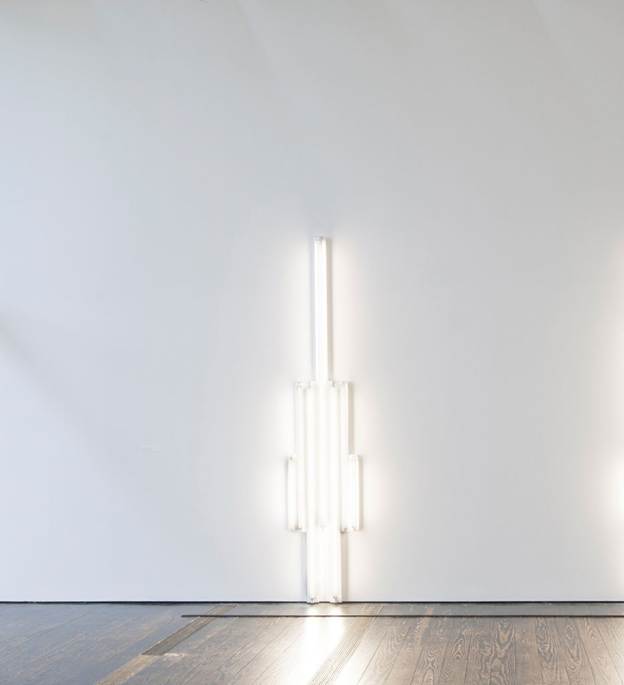
and metal fixtures, 120 × 23 × 4 inches
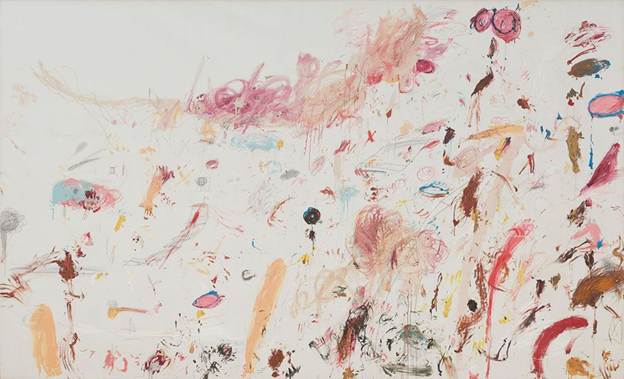
Down the street, the Cy Twombly Gallery gives the painter’s succinctly epic civilizational abstractions full sweep, underlining his singular vision and application in a permanent installation. The Drawing Institute construes the term “drawing” expansively, privileging viewers to a generous range of works in its present group exhibition “Fragility.” The show embraces the poignant versatility of paper and includes, for instance, Richard Tuttle’s tiny, unassuming sculptures, whose very perishability reflects that of a world of increasingly salient vulnerability. Slightly farther afield, permanently installed at Richmond Hall, are an untitled corridor of Dan Flavin’s fluorescent lights, demonstrating among other things that bright colors can be calming, and his “monument” for V. Tatlin, which more ominously positions sets of seven harsh white lights like sentries.
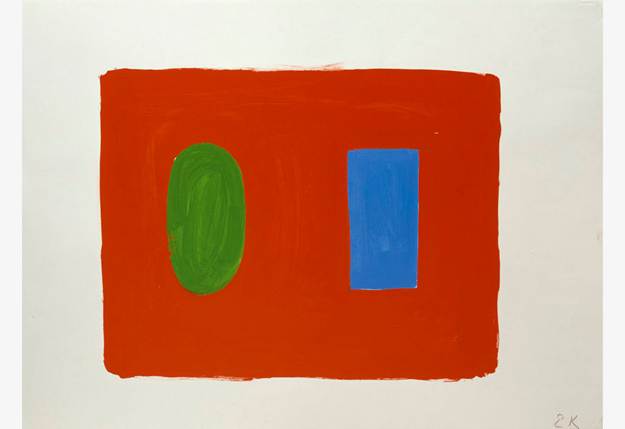
courtesy Matthew Marks Gallery
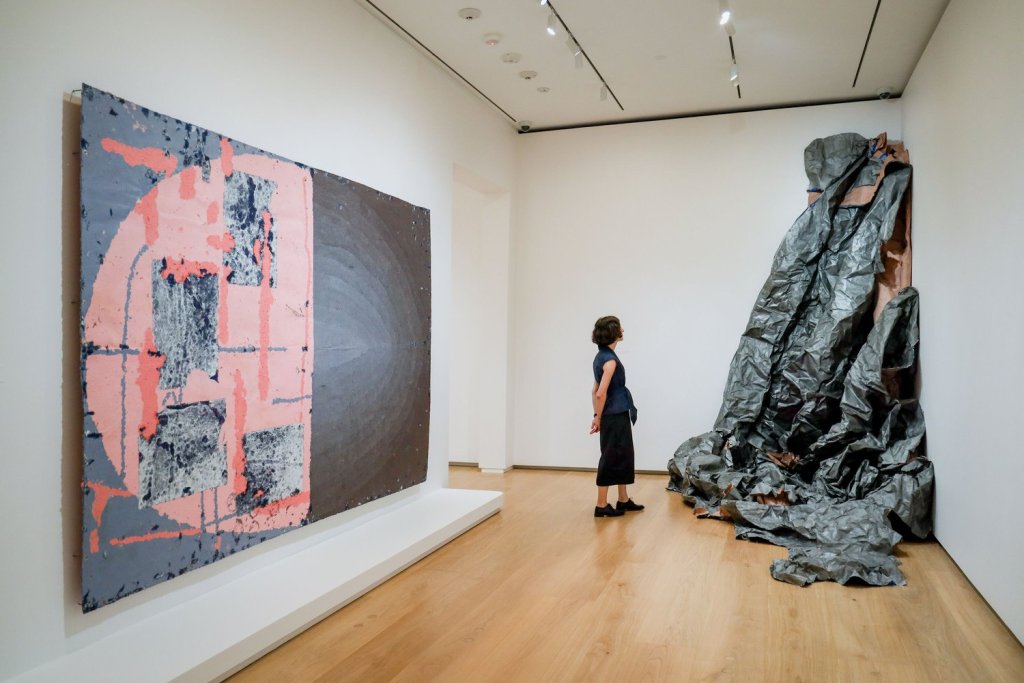
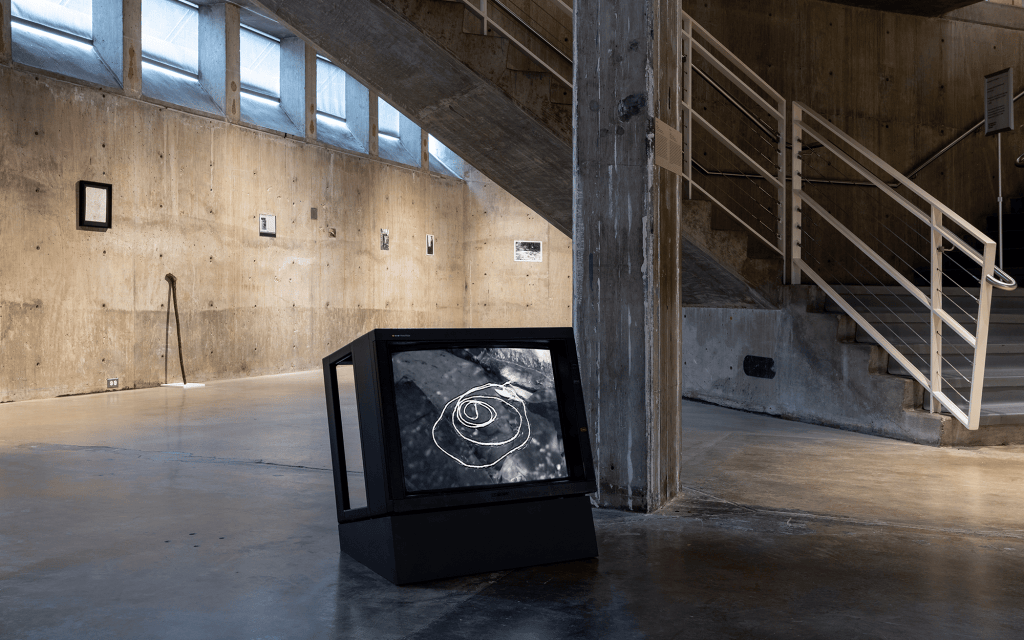
A healthy walk brought me to the Museum District. The Museum of Fine Arts Houston is second in size only to the Met among American art museums, and its roomy modern and contemporary buildings offer plentiful greatest hits and then some, notably Latin American art and a permanent “line in space” installation that continually explores kinetic aspects of visual art as well as “Ellsworth Kelly: A Different Way of Seeing,” which duly stresses the late Minimalist’s aesthetic mischievousness. The Contemporary Arts Museum is right across the street and wears its DIY swagger and curatorial insouciance confidently, now by way of “Divination: Beverly Buchanan and Dionne Lee” – an immersive collaboration between two Black artists of different generations who share a connectedness, for better and worse, with the land.
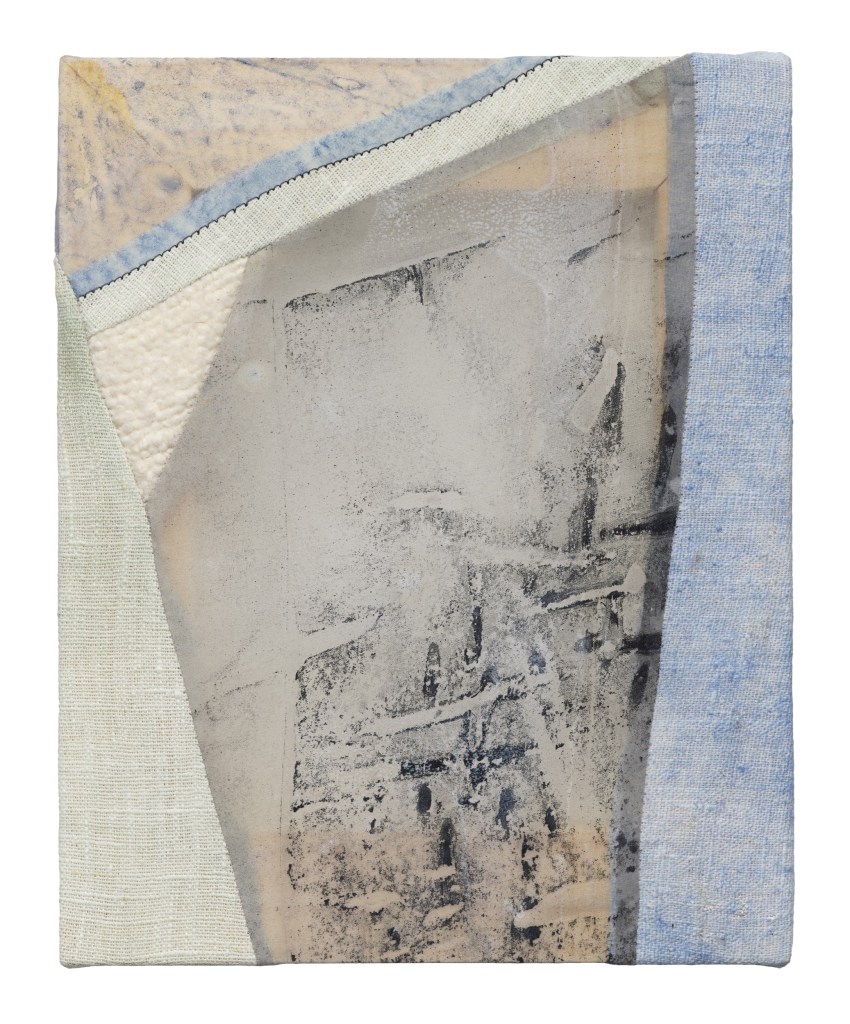
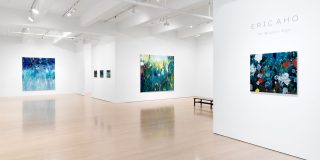
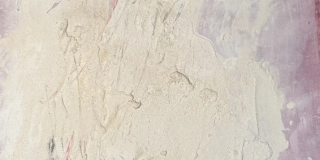
Galleries in Houston don’t seem to be concentrated in a few areas, as they are in New York, so Uber got a workout. Josh Pazda Hiram Butler Gallery presented Martha Tuttle’s show “Bats” – a set of abstract constructions composed of wool, silk, linen, pigment, and sometimes wood and bronze to achieve layering and fragmenting effects akin to organic configurations, here of bats’ wings. This quietly captivating exhibition would yield, days later, to “Magic Bus,” New York artist Kate Shepherd’s mesmerizingly Minimalist geometric abstraction. The gallery straddles a languid courtyard, incongruous in a good way with a bustling city, that leads to a low-key archive full of jarringly boffo artwork.
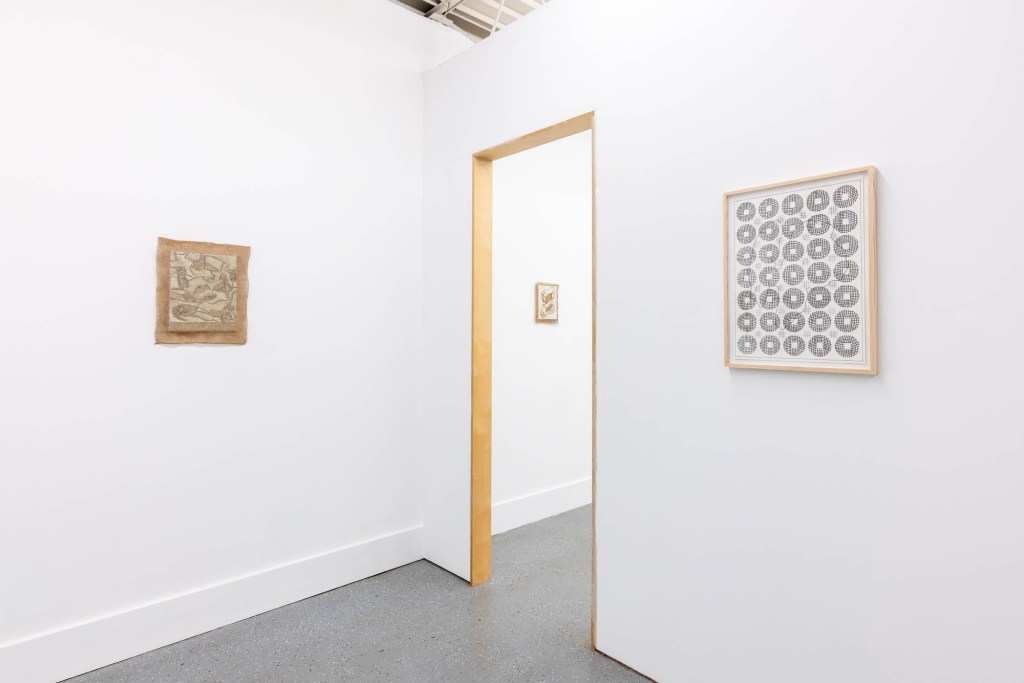
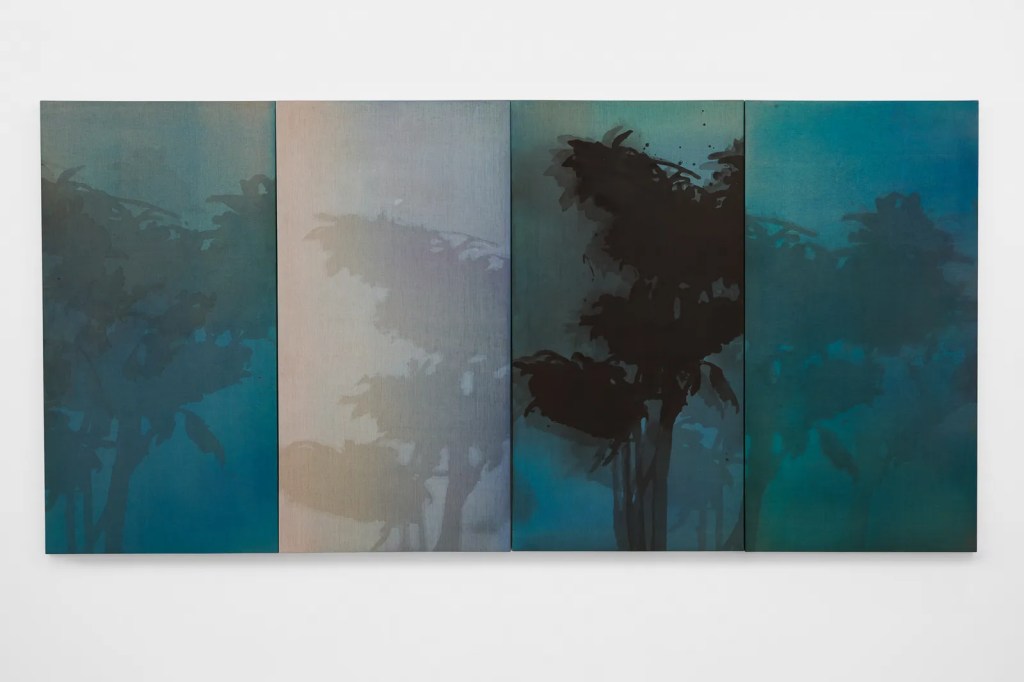
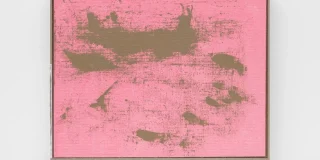
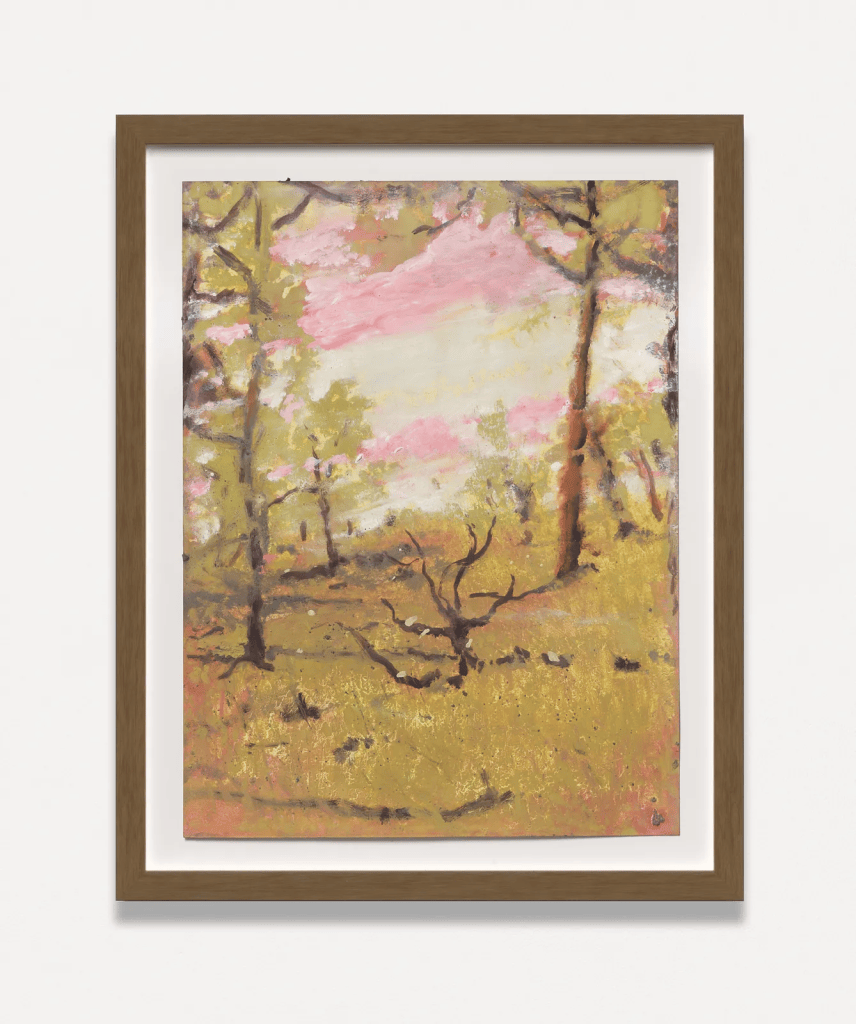
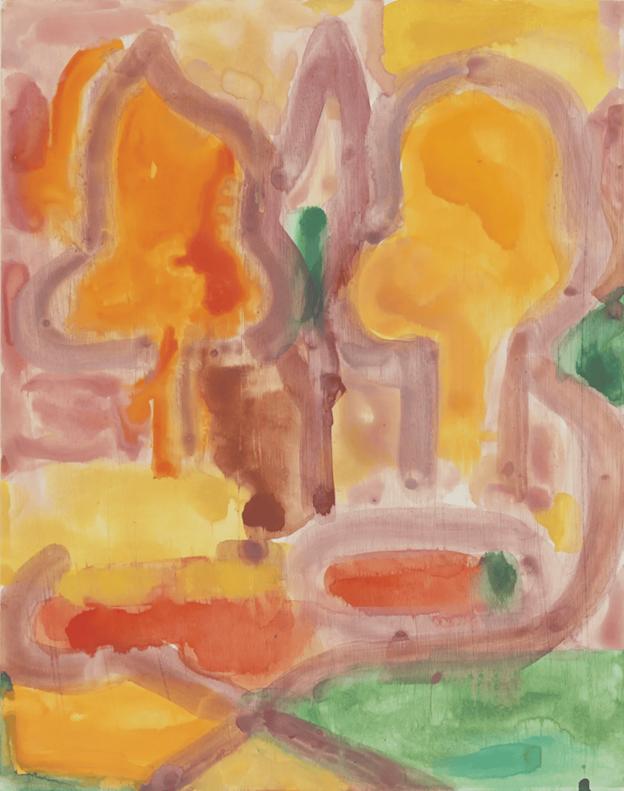
A 15-minute ride away is Basket Books & Art, an achingly hip independent bookstore downstairs with a sussed art space upstairs in a deadpan pseudo-brutalist building. The gallery was then presenting Brooklyn-based artist Ben Browne’s “Billy Budd,” which featured a series of gestural abstract drawings mounted on burlap – some styled “After de Kooning” – holistically suggestive of Melville’s maritime allegory, as though made for an exotically sophisticated collector’s edition. Seven Sisters Gallery was deftly exploring light, color, and mood through the romantic yet unsettling paintings of Seth Cameron in “New Love” and the satisfyingly divergent and distinctive landscapes of Sean Cairns and Elizabeth Hazan – his austerely tentative, hers dreamily inviting – in “Wild Orchard.”
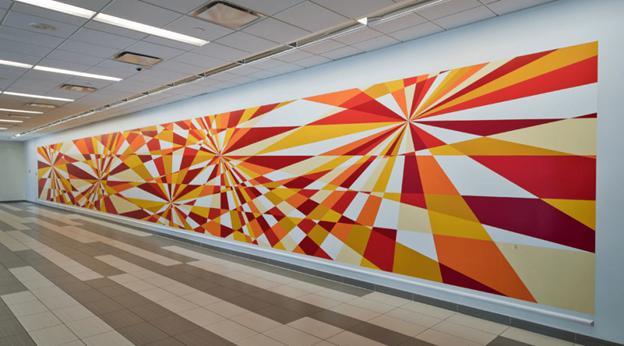
The last piece of art I saw in the city was Aaron Parazette’s effusive mural Remembering Next Summer, an exemplar of hard-edge geometric abstraction, at the University of Houston. Situated on the wall of the student center alongside the school’s early voting station, it struck just the right note of plausible joy.
“Terry Winters: Vitalized Geometry,” The Menil Collection, 1533 Sul Ross Street, Houston, TX. Through April 4, 2027.
Rothko Chapel/Broken Obelisk, 3900 Yupon Street, Houston, TX.
Cy Twombly Gallery, 1501 Branard Street, Houston, TX. Permanent.
“Fragility,” The Drawing Institute, 1412 W. Main Street, Houston, TX. Through January 24, 2027.
Dan Flavin Installation at Richmond Hall, 1500 Richmond Avenue, Houston, TX. Permanent.
“Ellsworth Kelly: A Different Way of Seeing,” Museum of Fine Arts Houston, Audrey Jones Beck Building, 5601 Main Street, Houston, TX. Through January 18, 2027.
“Divination: Beverly Buchanan & Dionne Lee,” Contemporary Arts Museum Houston, 5216 Montrose Boulevard, Houston, TX. Through February 14, 2027.
“Martha Tuttle: Bats,” Josh Pazda Hiram Butler, 4520 Blossom Street, Houston, TX. September 9–October 31, 2026.
“Kate Shepherd: Magic Bus,” Josh Pazda Hiram Butler, 4520 Blossom Street, Houston, TX. Through January 30, 2027.
“Ben Browne: Billy Budd,” Basket Books & Art, 115 Hyde Park Boulevard, Houston, TX. September 12–November 1, 2026.
“Seth Cameron: New Love,” Seven Sisters, 805 Rhode Place, Suite 500, Houston, TX. Through November 28, 2026.
“Sean Cairns and Elizabeth Hazan: Wild Orchard,” Seven Sisters, 805 Rhode Place, Suite 500, Houston, TX. Through November 28, 2026.
About the author: Jonathan Stevenson is a New York-based policy analyst, editor, and writer, contributing to the New York Times, the New York Review of Books, and Politico, among other publications, and a regular contributor to Two Coats of Paint.