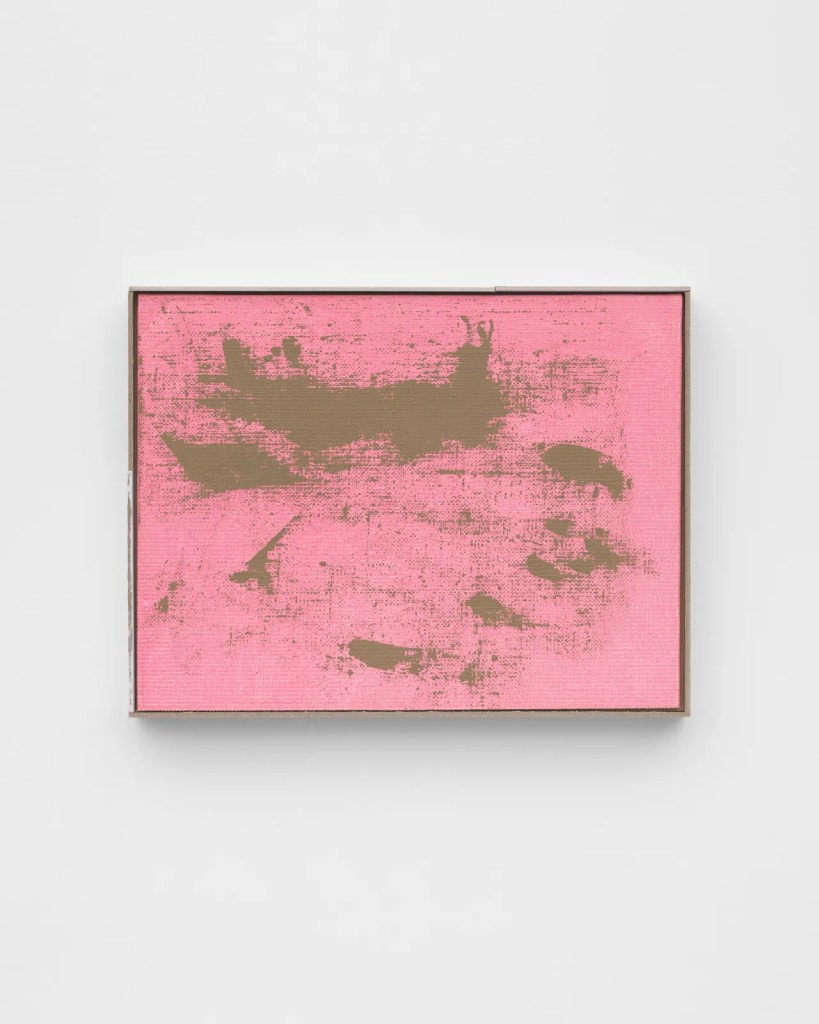
acrylic, carpet tacks, 7 1/2 x 9 7/8 x 1 1/8 inches
Contributed by Jonathan Stevenson / It’s scarcely enough to label Irish artist Fergus Feehily’s compact abstract paintings, now on view at Post Times, surprising or revelatory. They accomplish more by describing, usually in a succinct vertical rectangle, what seems ineffable, delivering idiosyncratic Hickey-esque frissons of beauty and wit. You take a look, get a feeling, spy the title, and say, “Oh yeah, that’s right.” They’re all ingeniously pithy, some more immediately accessible than others. Windowpane Putty looks like what that name says; the news is how beautiful a sloppy DIY repair, or rain and dirt, can be. The pocket-Rauschenbergian Suburban Sphinx, juxtaposing lightly painted corrugated cardboard and wood components, captures the stolid big-box allusion. And the delicate pink and spare glitter of Midrainbow make ready sense of the title, and with dazzlingly unique lyrical efficiency.
Feehily entertains thematic kinship, but subtly. Child and Namesake, both forbiddingly dark in color and atmospherically portentous, suggest mortality and the perishability of memory. In turn, Amanuensis, Woman With Notes and Letters, and The Messages – which have a common palette and appear coordinated – jauntily acknowledge the need for narrators, reliable or otherwise, presumably including painters. Other works are more arcanely imagined and thus beguiling. The title Cameo Parkway could only be purposefully enigmatic: it might reference an eventful commuter rail station (a “parkway” is a train station in Ireland), the eponymous short-lived Philadelphia record label of the 1960s, or de Kooning’s duly admired “parkway landscapes.” The slightly ominous, morphing interior shape, gray on pink, suggests the tenuously contained dynamism characteristic of all three phenomena.
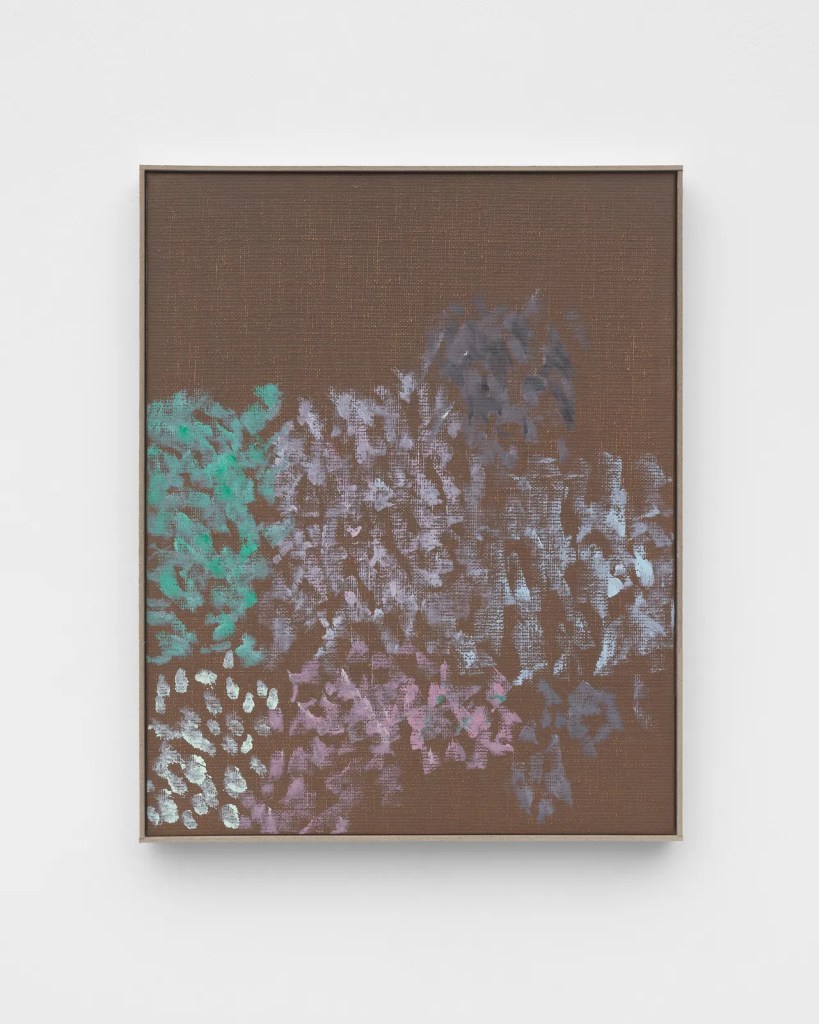
carpet tacks, 12 1/4 x 9 7/8 x 1 inches
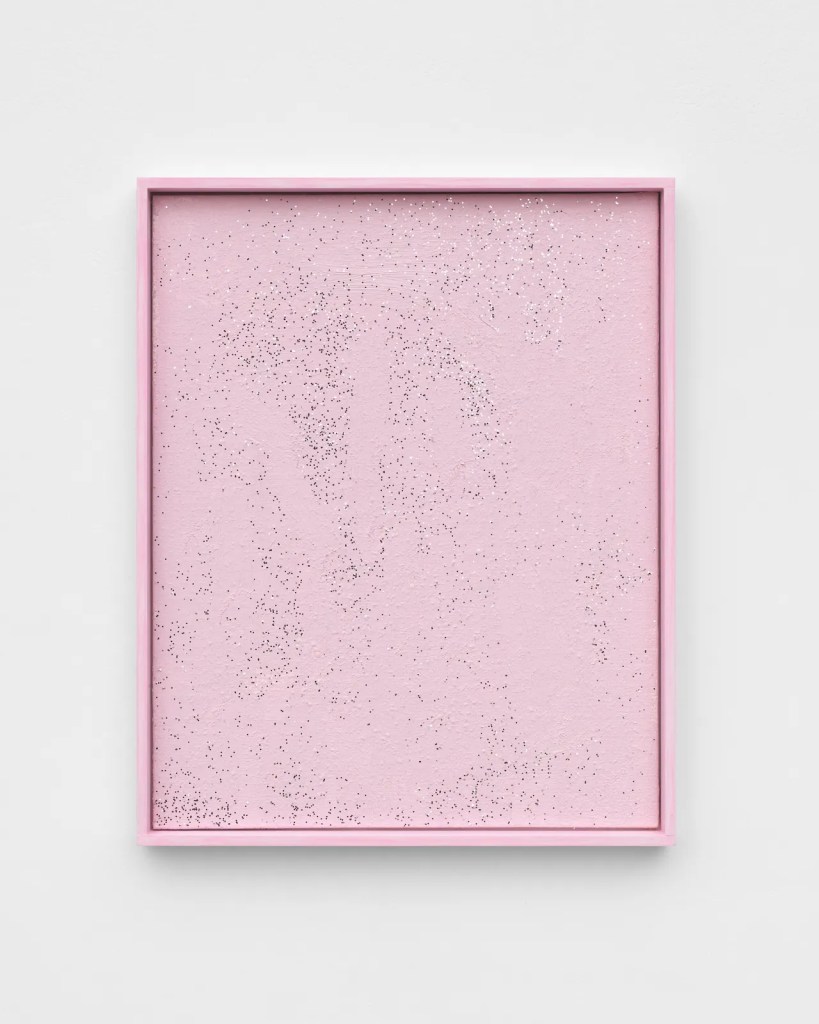
12 1/4 x 9 7/8 x 3/4 inches
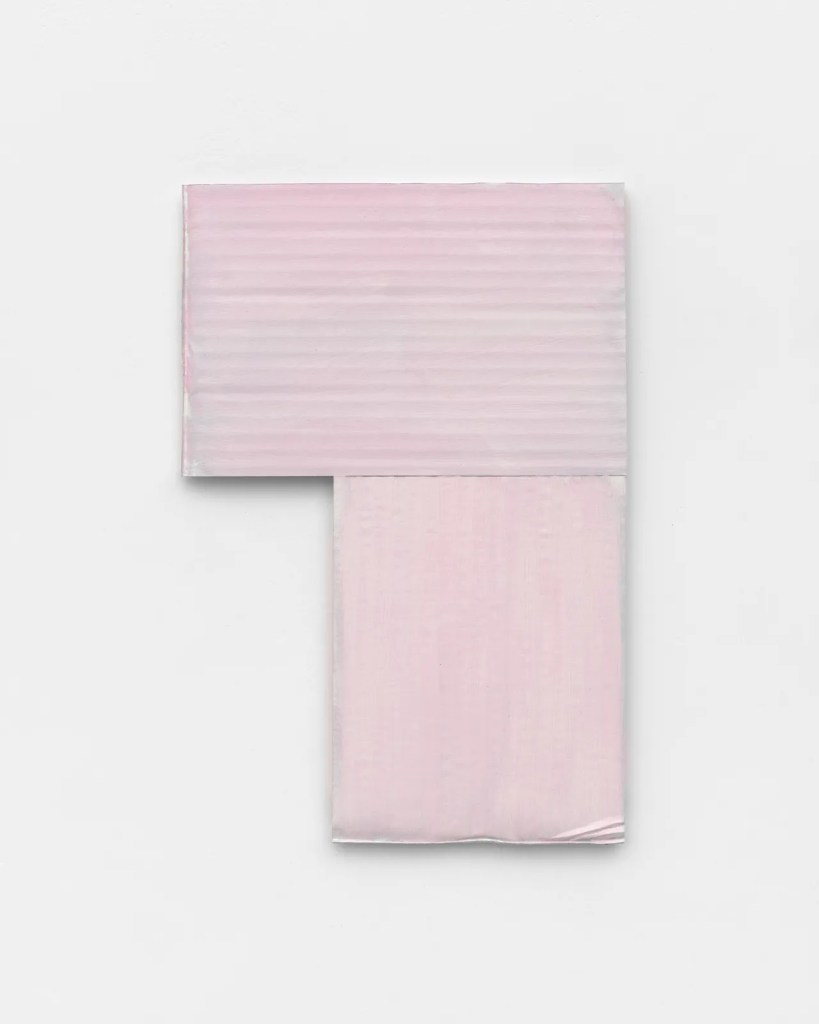
12 1/4 x 8 1/4 x 1/2 inches
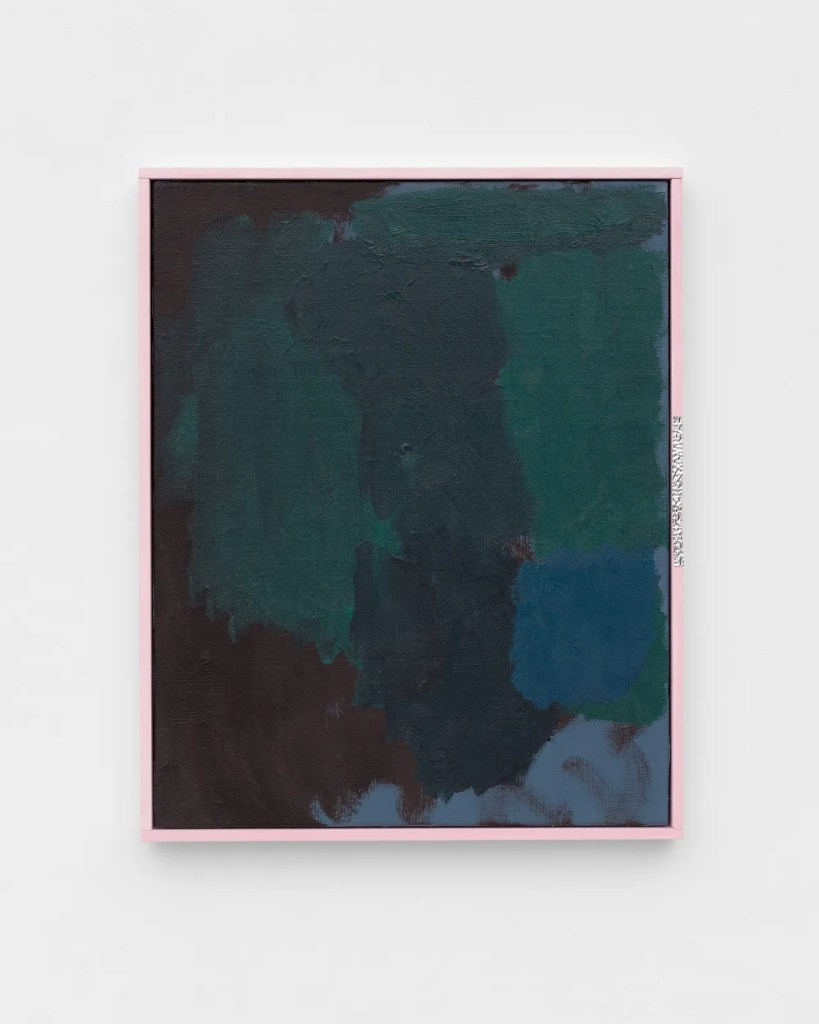
12 1/4 x 9 7/8 x 3/4 inches
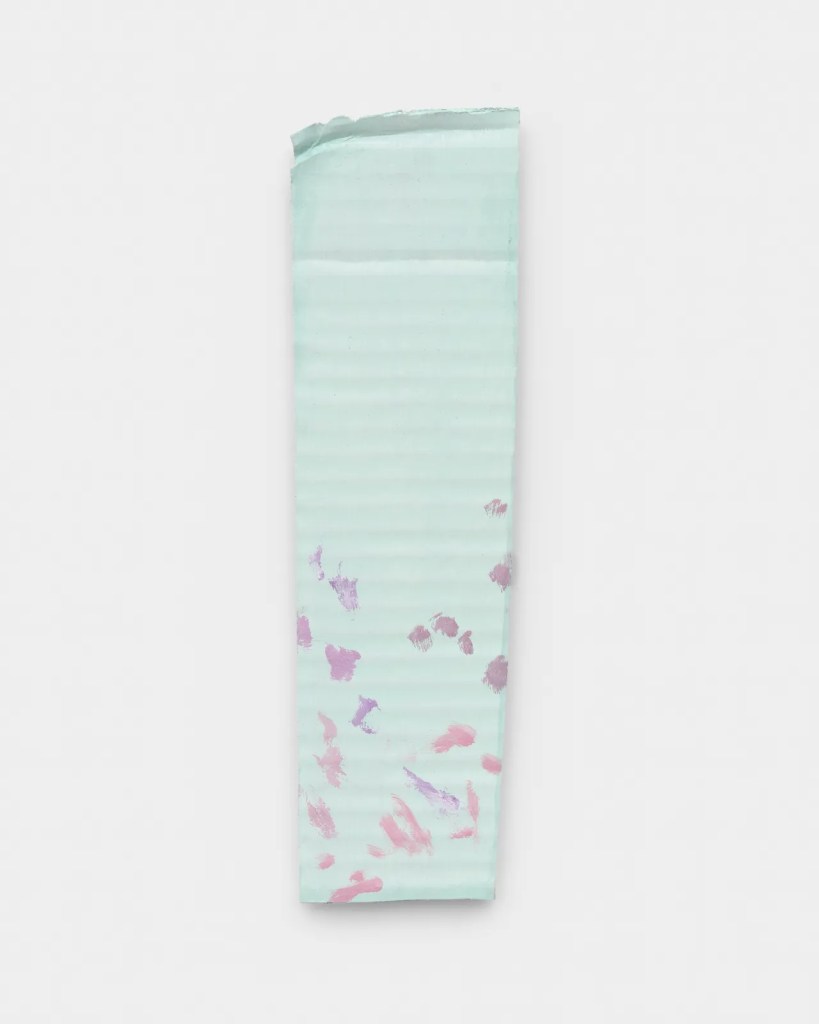
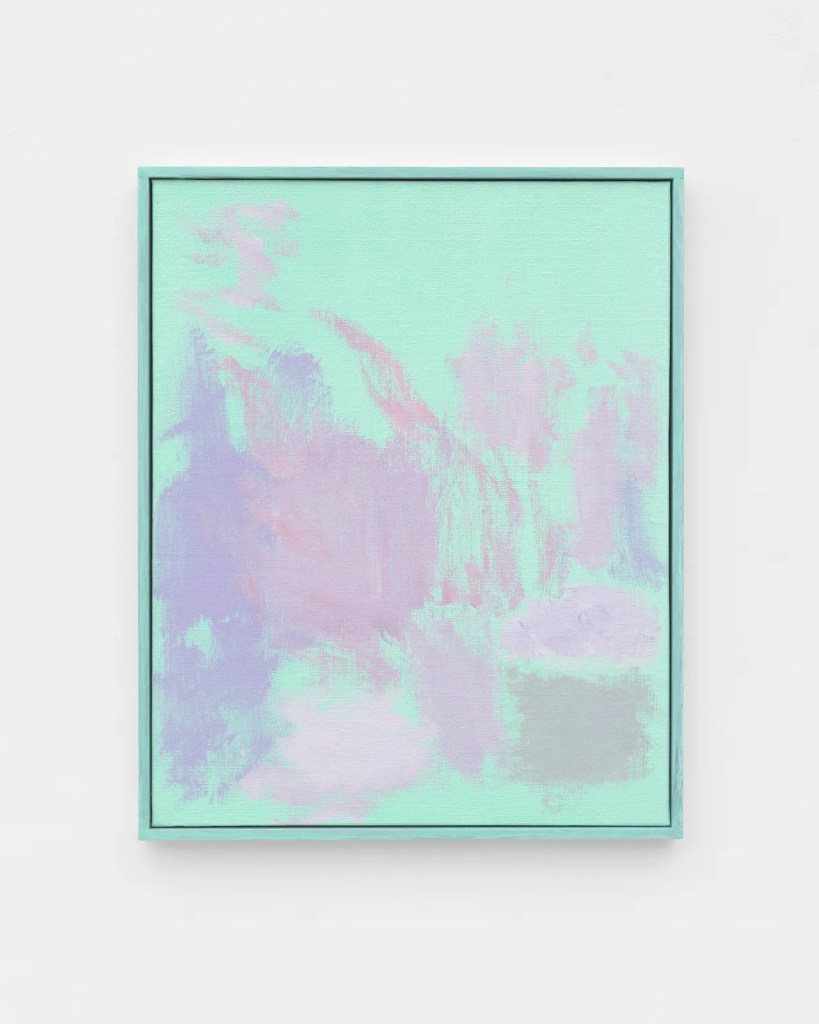
12 1/4 x 9 7/8 x 3/4 inches
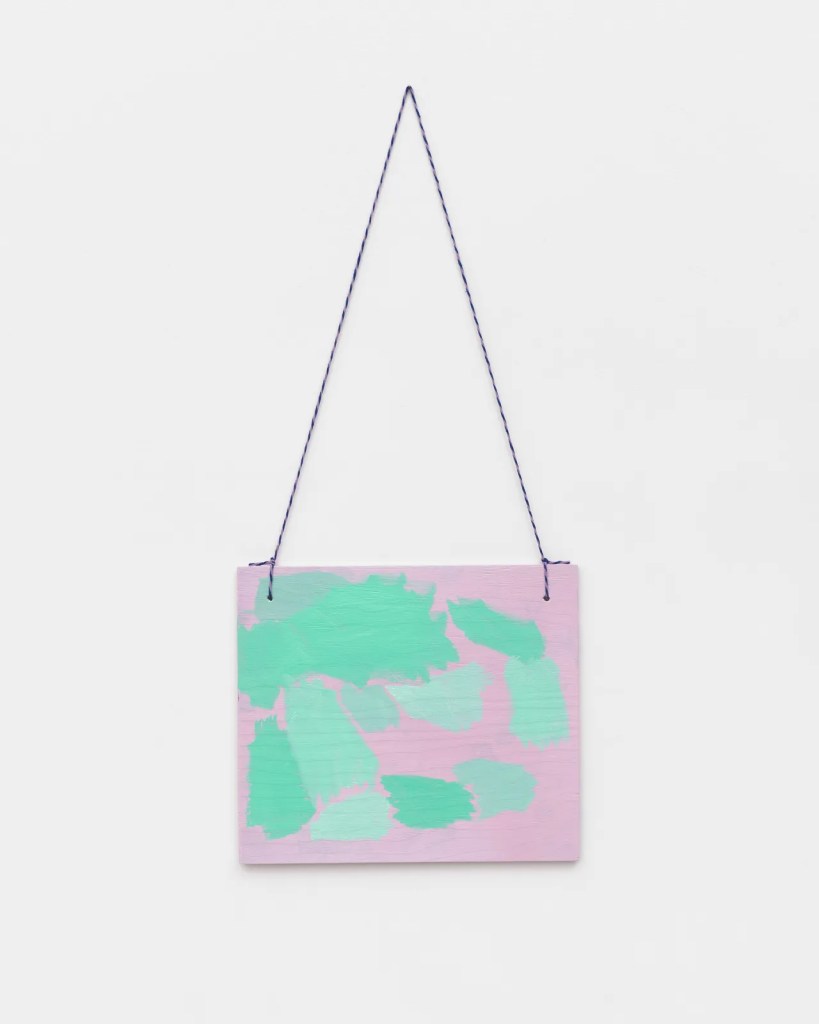
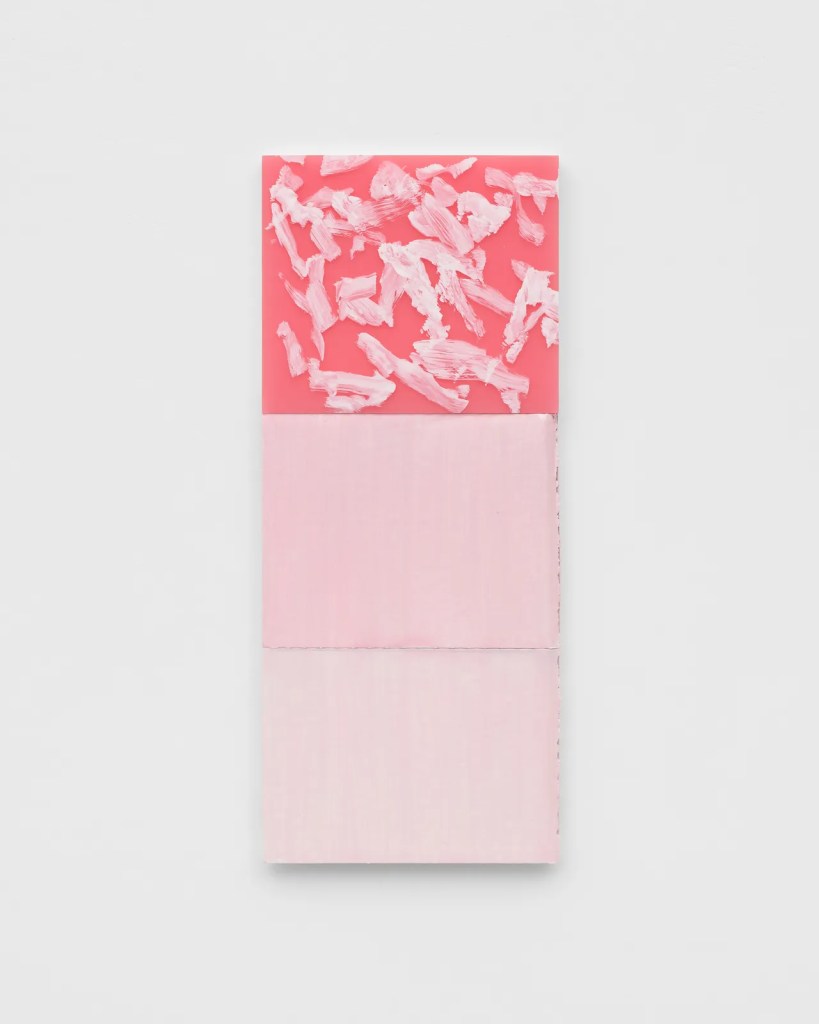
acrylic on wood, 13 x 5 1/2 x 3/8 inches
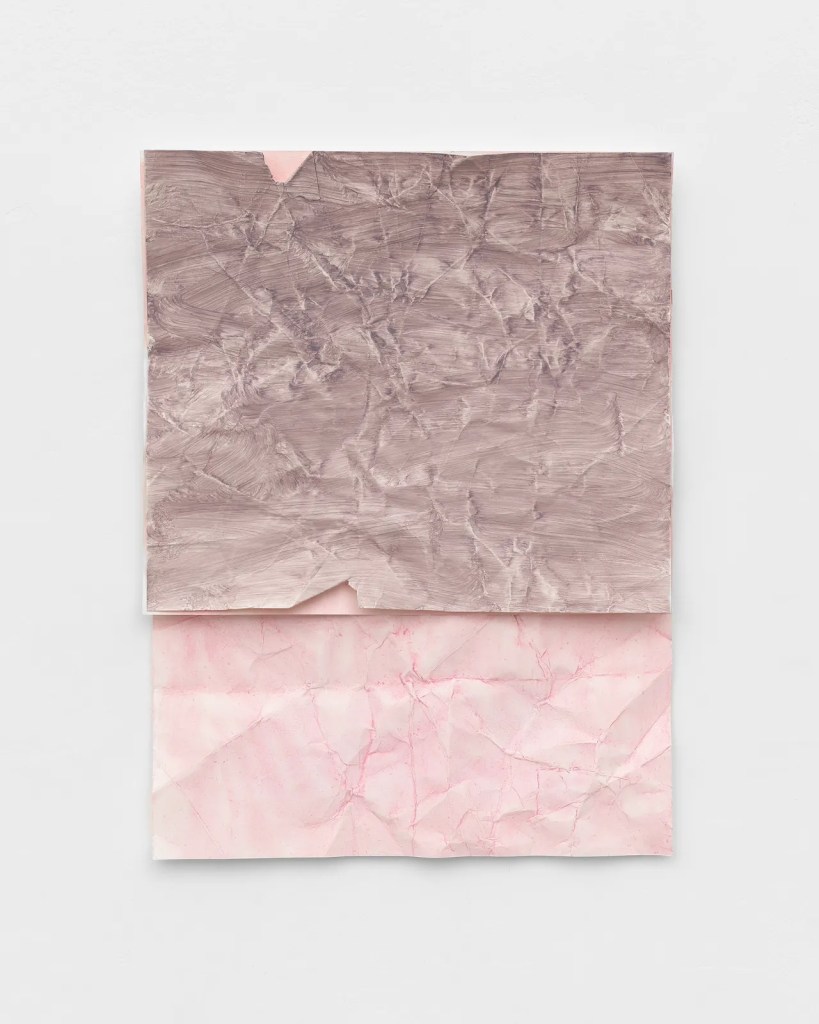
Feehily seems to have located a sweet spot between reductive referentiality and freestyle abstraction. Every piece lands as confidently resolved – not despite but because of its unconventionality. And he is a modernist, if a quiet one. A couple of paintings could be confronting heaven and earth. Sister Frances consists of two crumpled pieces of paper, the top one painted a dark gray and the bottom one a wan pink. Themselves too features pink segments, but the top one depicts what appear to be fallen figures, decipherable as such by virtue of configuration rather than line, death trumping self-regard, maybe à la Beckett. Grounding Feehily’s offhand loftiness is an artful scavenger’s embrace of materials. For a given piece, he’ll enlist aluminum, cardboard, plexiglas, plywood, carpet tacks, fabric, or glitter –whatever it takes for a sense of completion. This approach bespeaks a quality absent from comparably laconic but more pristine work: an achingly cool proletarian earthiness.
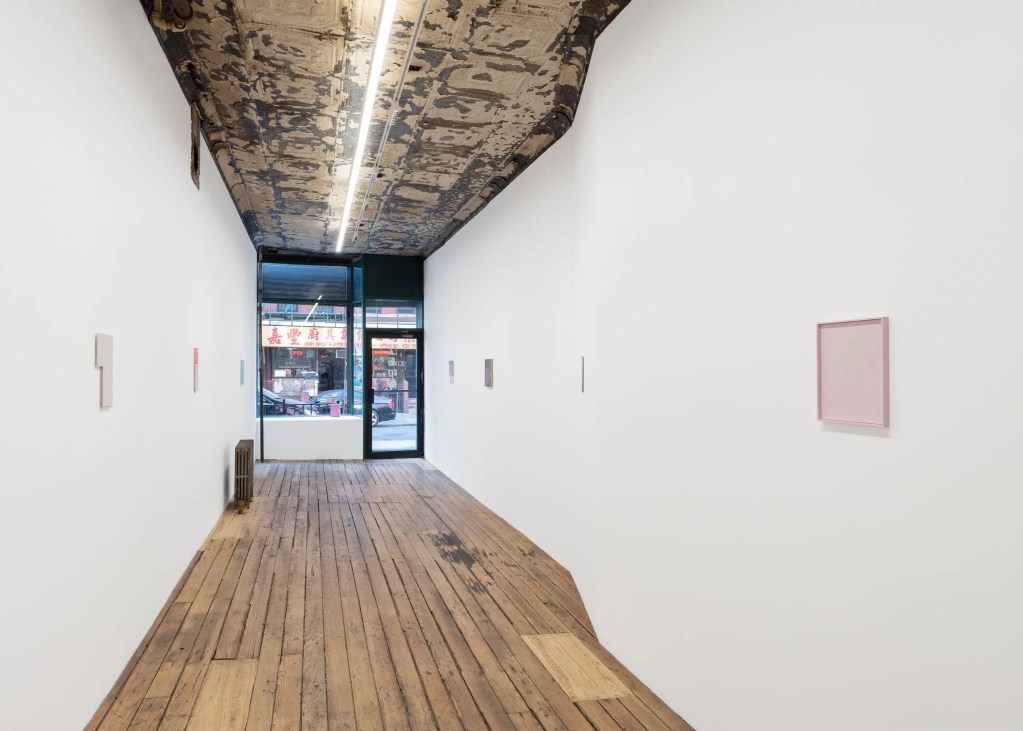
“Fergus Feehily: Everly,” Post Times, 29 Henry Street, New York, NY. Through December 20, 2026.
About the author: Jonathan Stevenson is a New York-based policy analyst, editor, and writer, contributing to the New York Times, the New York Review of Books, and Politico, among other publications, and a regular contributor to Two Coats of Paint.