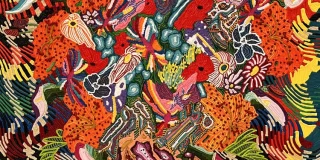
Contributed by Romy Marcus Cohen / Photographs offer a false promise of perfect preservation. In her new show “Don’t Be a Stranger” at Trotter&Sholer, Jessica Frances Grégoire Lancaster grapples with the loss of a close friend through her continued exploration of the instability of images and the memories they hold. Working from a personal archive of vernacular photography, Lancaster turns snapshots into back-painted oil paintings on glass, drawing emotional intensity from the tension between recognition and anonymity, intimacy and distance, presence and absence.