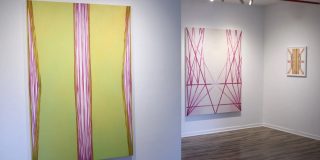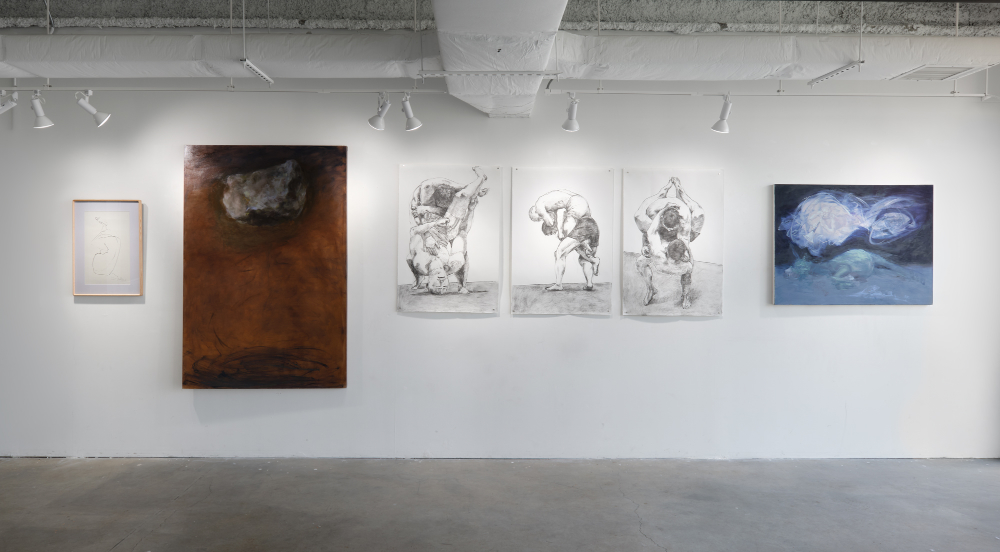
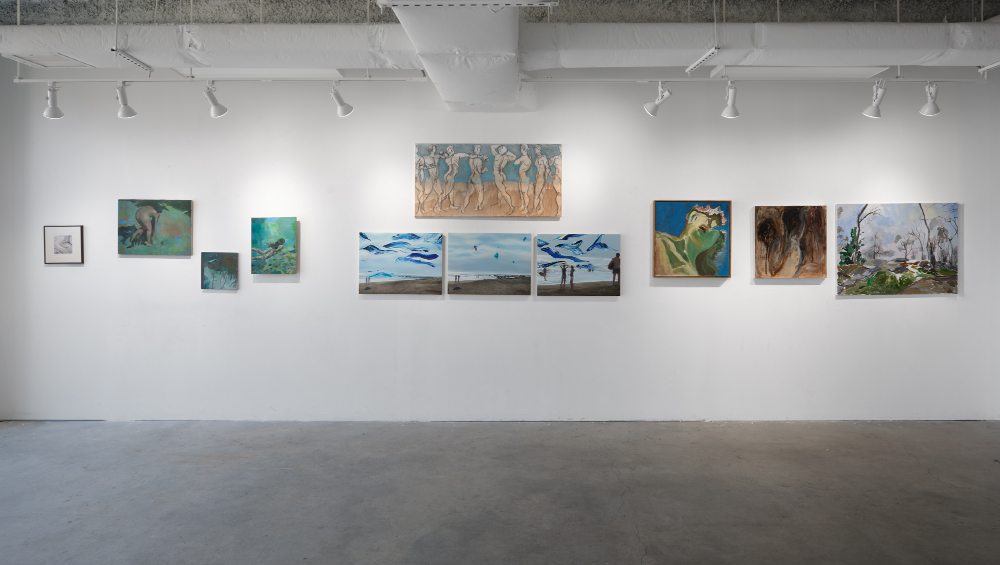
Contributed by Mary Sargent / There is something endearingly ambitious about an exhibition that takes the human body not as subject matter but as unifying argument. “Figurative as Concept,” at A Space Gallery, was curated by Alina Khalitova, an artist who trained in art history in St. Petersburg, Russia, and currently divides her time between the United Kingdom and the United States. She assembled sixteen artists whose origins spanned, from east to west, China, India, Russia, Germany, Italy, and the United States. The wide geographic sweep was integral to the show. Every tradition represented has its own history of what and how the figure represents. Those differences afforded the show a rich array of divergent perspectives and techniques that a more regionally homogeneous or narrow exhibition would not have provided. At the same time, the show was a vivid reminder of the universality of the human figure, often taken for granted yet invested with the power, at least metaphorically, to circumvent, transcend, and ultimately harmonize differences.
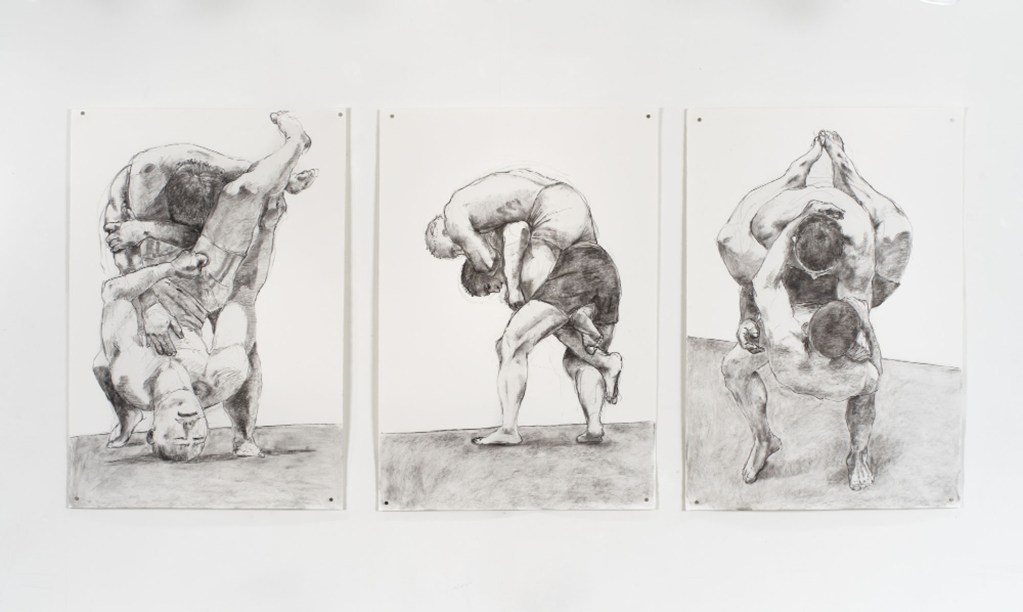
Natalie Straton’s Frieze draws on Greek antiquity to suggest forthrightly that the nude, as cultural leveler, is not so much contentious as necessary in a divided and embattled society. Dionisio Cortes Ortega‘s three large charcoal drawings of wrestlers and UFC fighters are physically immediate and expressively alive. The bodies are under stress, rendered with confidence and urgency: every mark feels necessary. Brigitte Bentele, working from a European tradition of sustained observation, offered watercolor and oil pieces that reflect how two decades of concentrated attention to a given subject can nurture and refine a precise and uncanny instinct for when a painting is finished.
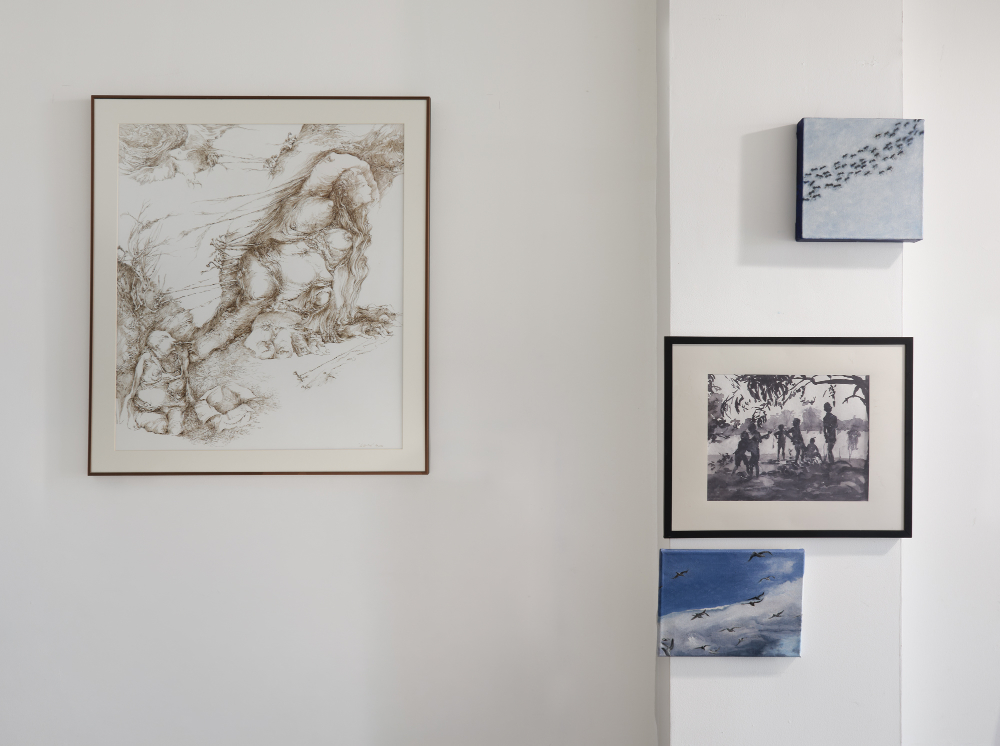
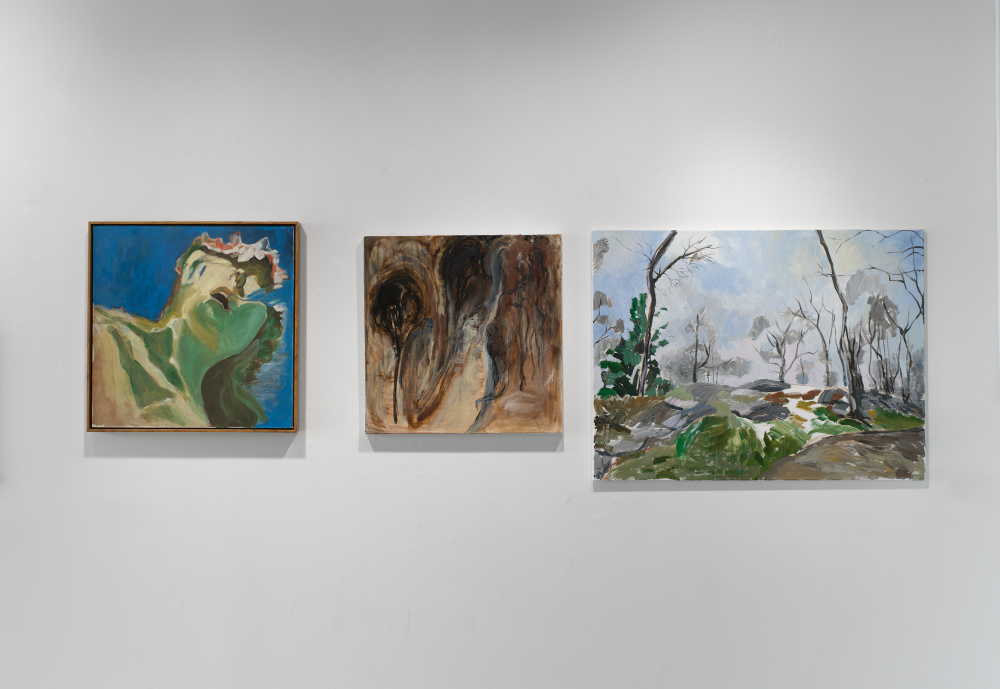
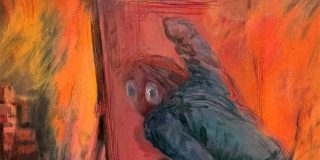
Kim White, whose background and practice encompass literary fiction, poetry, and visual art, uses the figure to navigate autobiography and myth simultaneously. Aksinia Kupriianova presented an oil painting on the cusp between figuration and abstraction, halted in mid-dissolution. The fluid media pull her into the unconscious in ways that a stiffer, dry technique wouldn’t allow. Ruoyu Gong, who trained intensively as a realist painter before letting abstraction enter his aesthetic, builds canvases by pouring and erasing until an image surfaces. His recurring donkey carries humor and burden in equal measure.
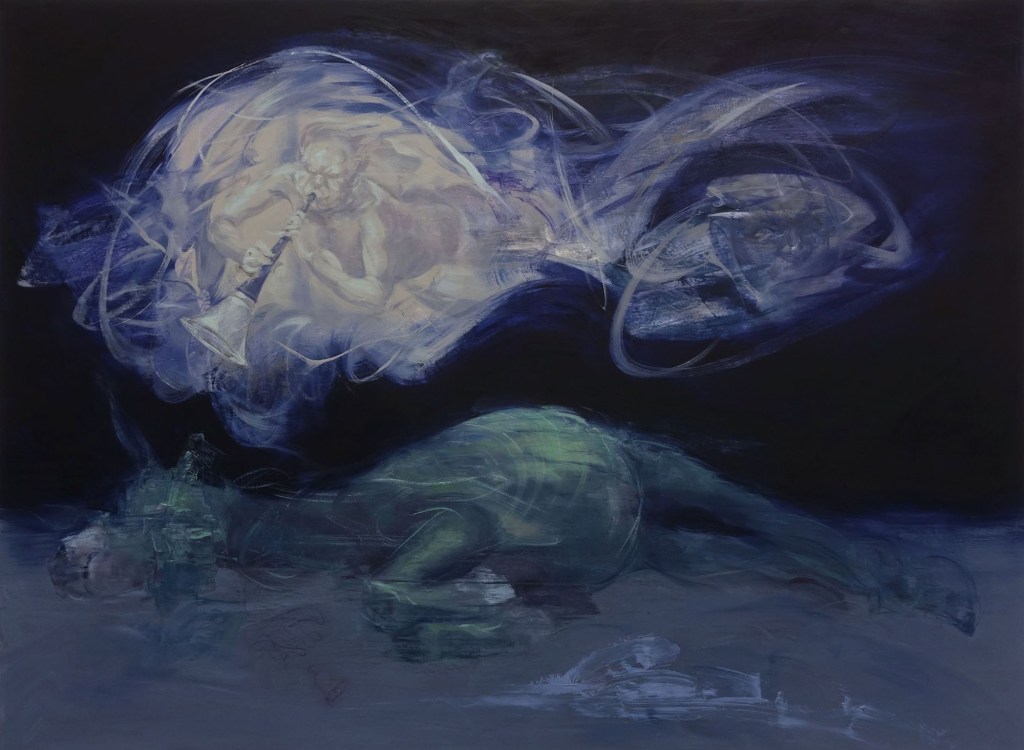
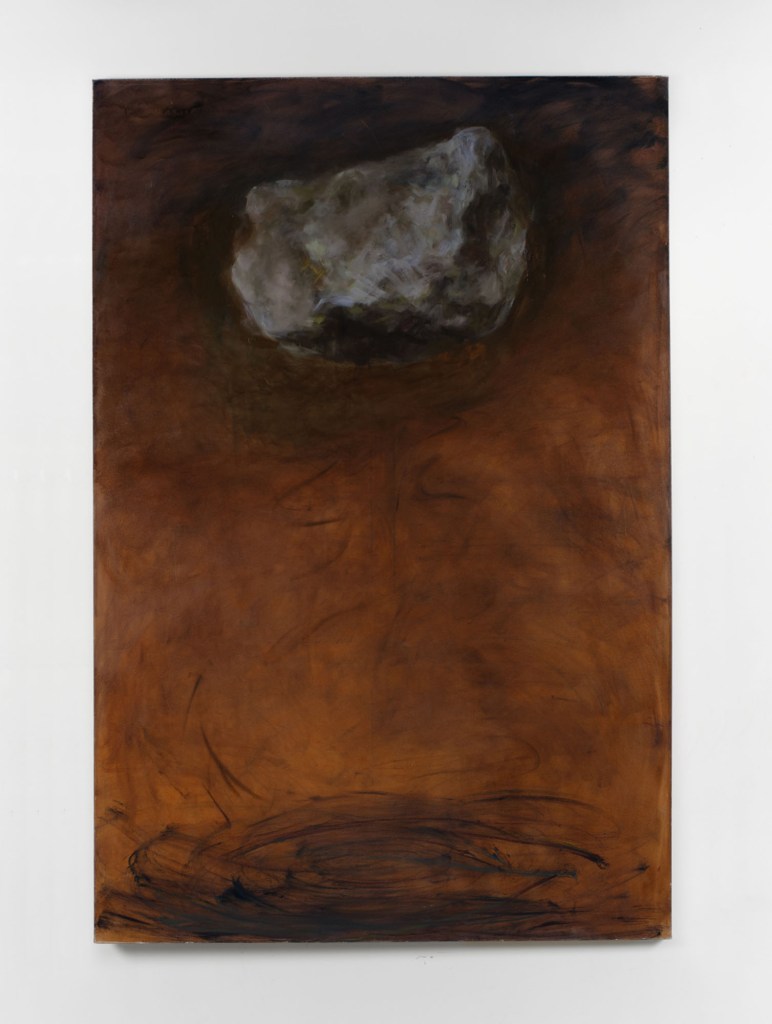
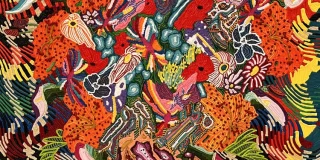
Yiting Liu constructs her large canvases the way a musician generates polyphony, drawing on the tonal philosophy of the Chinese Guqin. Yue Yuan‘s Do Not Let This Happen To You! treats the body as landscape, technically shaped by Chinese ink traditions and more broadly by the contemporary prevalence of political violence. Both painters still find ancient sources inspiring and fructifying, which validates tradition as a compressor of time and distance.
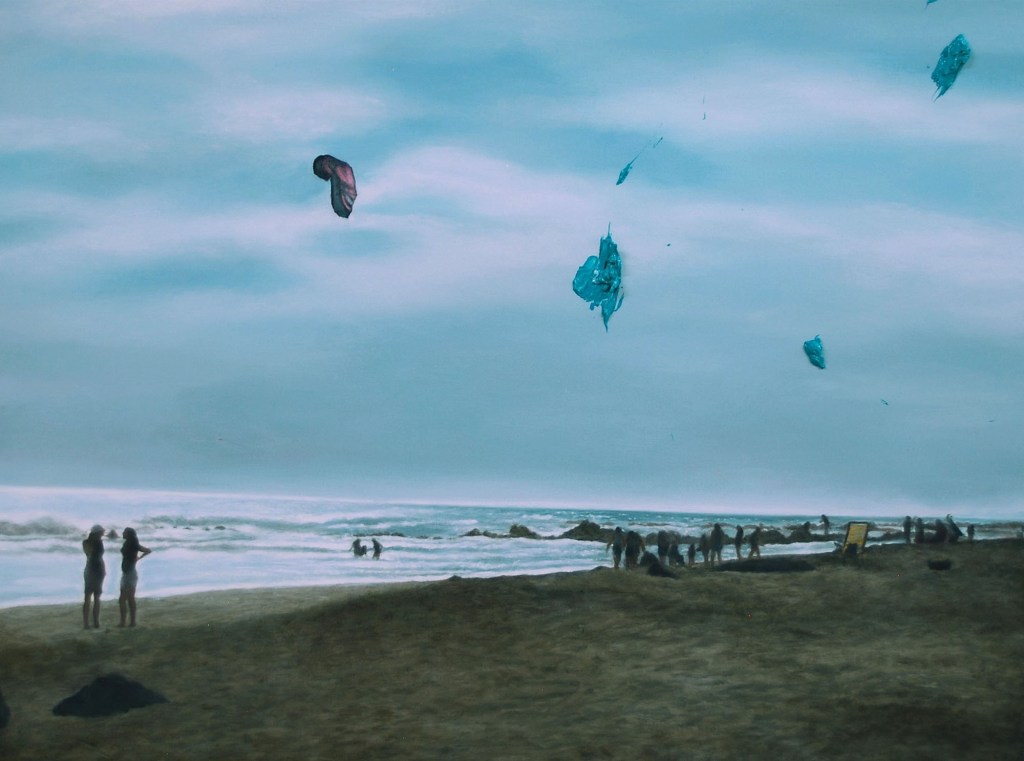
20 x 27 in. Courtesy Galerie Bruno Massa, Paris.
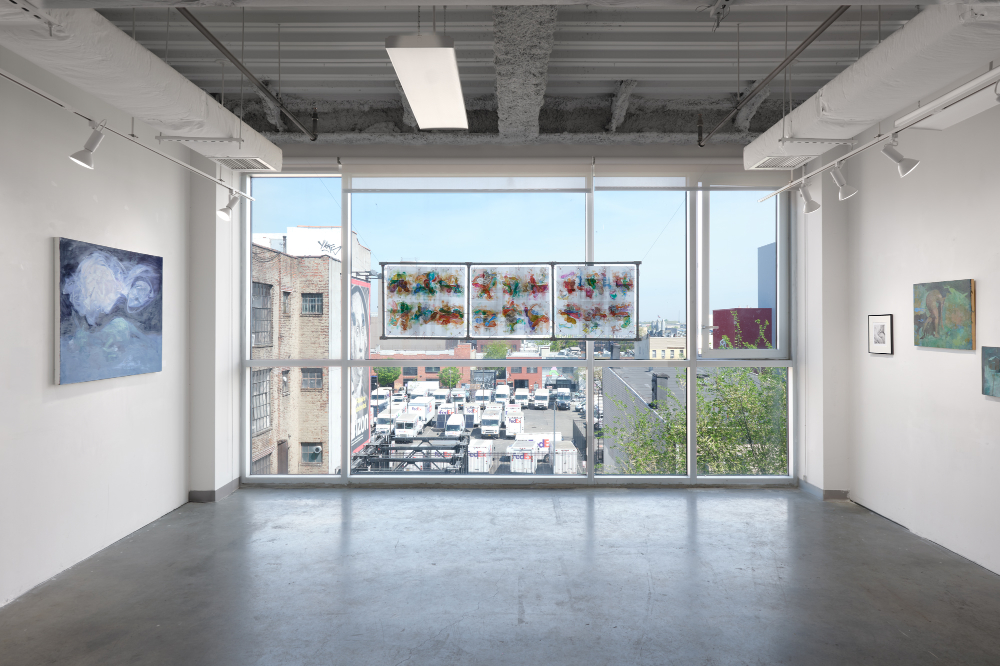
Manas Ranjan’s That Insatiable Itch arises from images of body fragments that seem assembled like a mosaic, with natural light passing through and between the pieces. It explores the experience of living suspended in an unresolved, perhaps Kafka-esque, process of immigration. It’s a reminder that, for some artists, the figure and the space it displaces are the only pieces of the world that fully belong to them. Maxwell Stevens, meanwhile, bestowed on the exhibition its sharpest local framing: assiduously painted beach scenes on Long Island. His aesthetic disposition, however, is expansive. Mysterious abstract shapes interrupt those scenes, announcing, as Stevens’ ultimate subject, the tension between realism and the act of painting. In a sense, the show overall had a related theme: to illuminate and celebrate all artists’ embrace of the figure as a singular aspect of nature that they are nonetheless compelled to interpret and inflect.
“Figurative as Concept,” curated by Alina Khalitova, produced by Artmetod Art Project in collaboration with A Space Gallery NYC, 13 Grattan St, #402, Brooklyn, NY. April 22–24, 2026. Artists include Malaya Bengel, Brigitte Bentele, Sophia Chizuco, Dionisio Cortes Ortega, John Davis, Ruoyu Gong, Claire Harpel, Aksinia Kupriianova, Yiting Liu, Anna Plavinskaya, Manas Ranjan, Fedele Spadafora, Lana Stalnaya, Maxwell Stevens, Natalie Straton, Kim White, and Yue Yuan.
About the author: Mary Sargent is a writer and contributor to Two Coats of Paint.