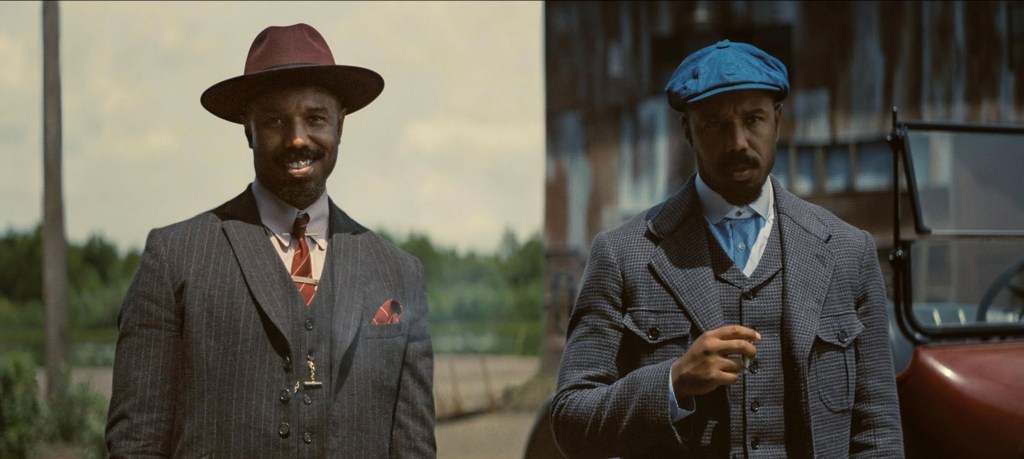
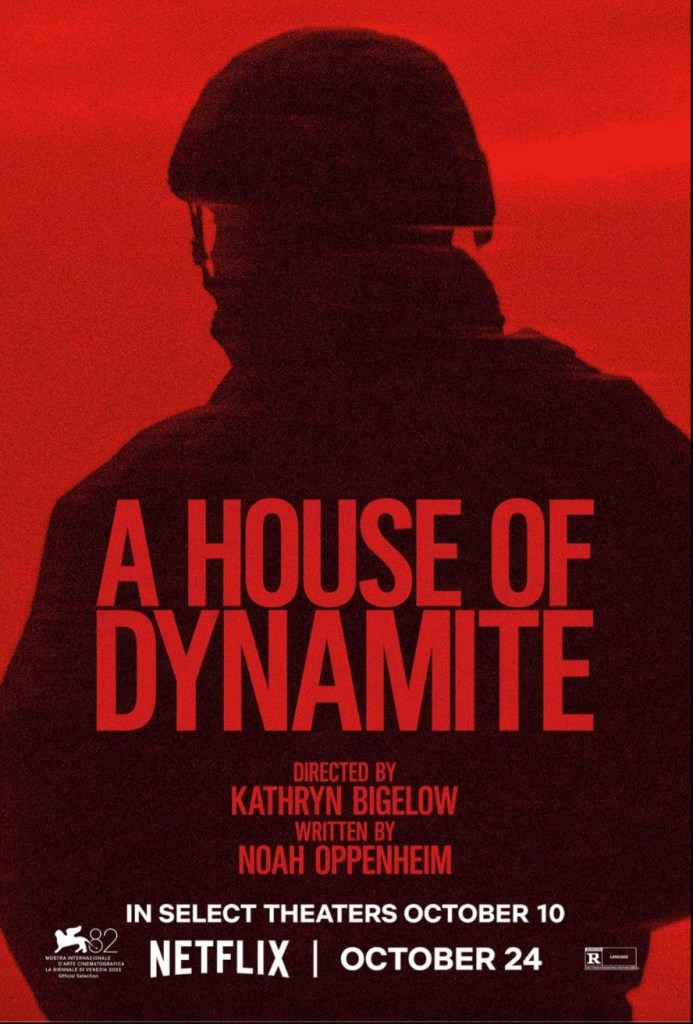
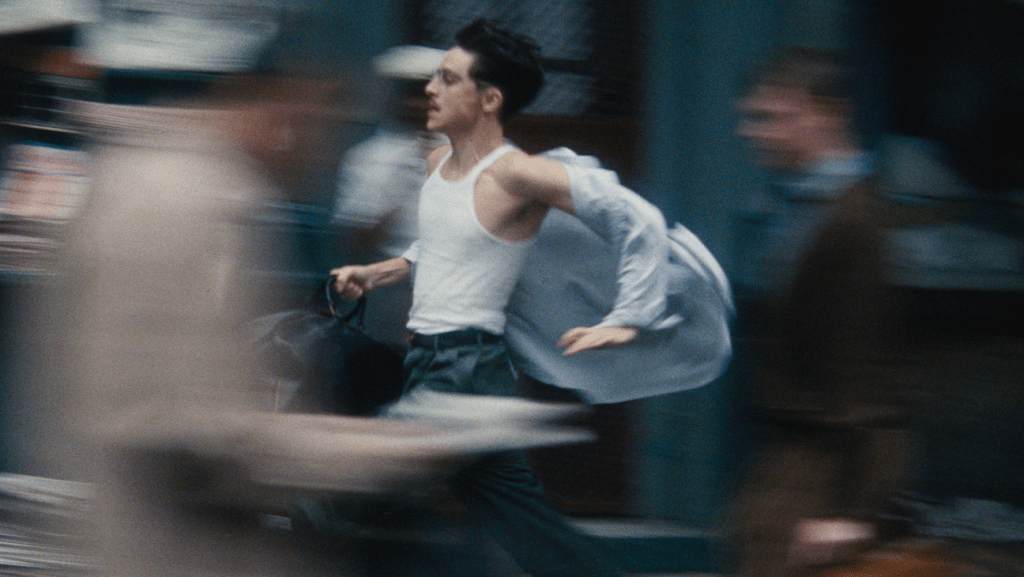
Contributed by Jonathan Stevenson / In 2025, movies seemed to catch up with and confront the Trump era. Paul Thomas Anderson’s One Battle After Another – based on Thomas Pynchon’s novel Vineland and nimbly arraying multiple stars with Leonardo DiCaprio in the lead – is a deeply informed outcry of conscience and resistance, chiseled by satire into a grand statement. Bugonia, Yorgos Lanthimos’ creepily penetrating and funny take on American mania, deploys Jesse Plemons at optimal brainwashed toxicity and Emma Stone with precision Karen-esque indignation. Nailing the present by reference to the past are The Secret Agent by way of a soulful Wagner Moura, inhabiting Brazil during its fascist phase in the 1970s, and Ryan Coogler’s transcendent horror film Sinners, which has Michael B. Jordan’s twin criminal brothers sorting out the Jim Crow South. If these films capture the moment, Kathryn Bigelow’s nuclear fable A House of Dynamite, reminiscent of Fail-Safe but not as haunting, and Óliver Laxe’s dystopically neo-realist Sirât, strikingly original with gut-punching panache, spin out possible consequences. More obliquely but just as effectively, in Josh Safdie’s Marty Supreme, a narcissistically ambitious Jewish ping-pong ace, embodying a blithely triumphalist post-World War II America, gets serious under the sobering weight of the Cold War and his personal choices.
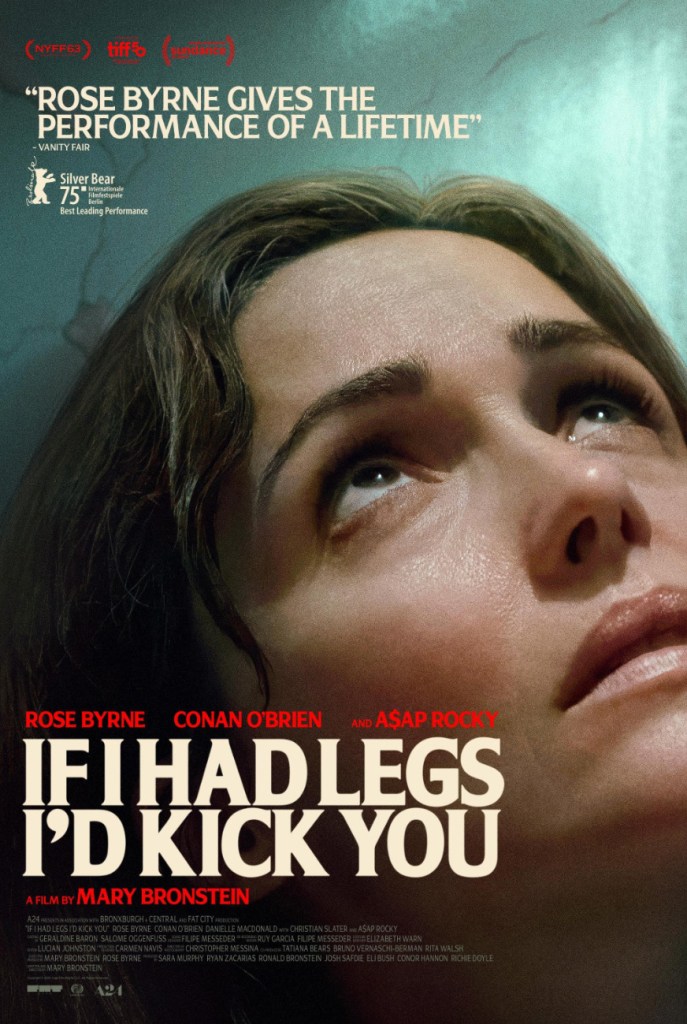
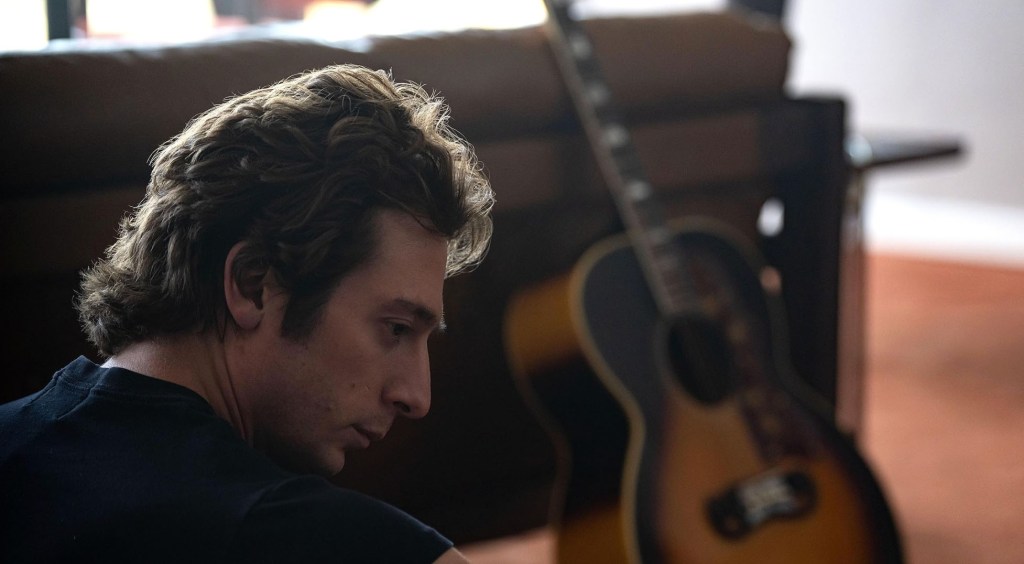
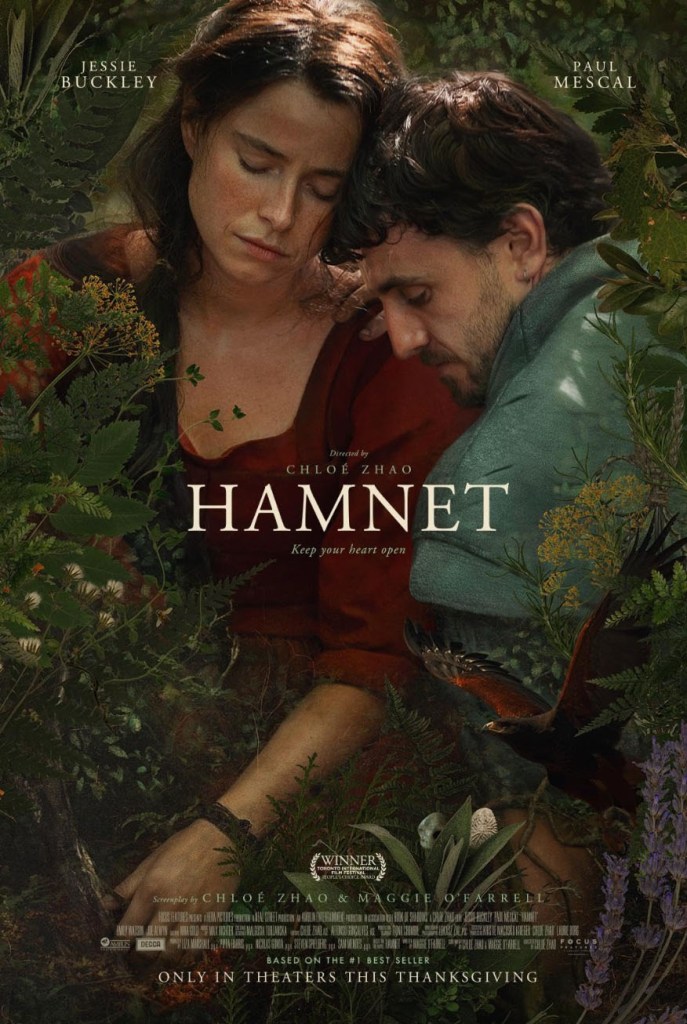
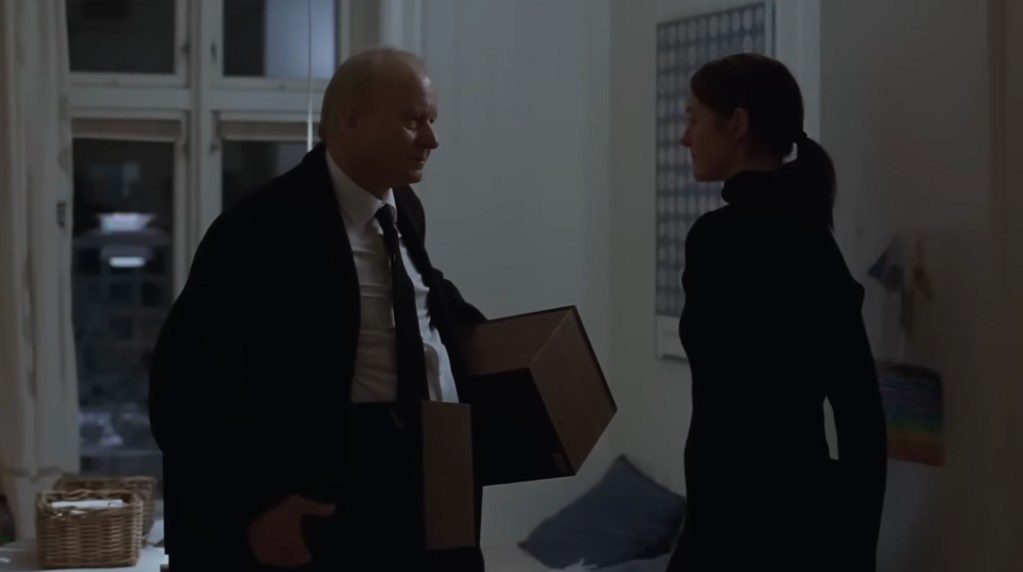
Other fine movies – If I Had Legs I’d Kick You, featuring a supremely unsettling Rose Byrne; Lurker and Sorry, Baby, a pair of lacerating sleepers; Kelly Reichardt’s typically arch and osmotic The Mastermind; and Scott Cooper’s Springsteen: Deliver Me from Nowhere, with Jeremy Allen White locating an agonized Boss – noodle on parental angst, digital immersion, sexual assault, lazy disaffection, and defiant introspection as byproducts of existential turbulence. That phenomenon also raises doubts about the priority and purpose of art, which two movies quell: Chloé Zhao’s Hamnet, a period melodrama clinched by Jessie Buckley’s winningly naturalistic performance as a burdened woman improbably susceptible to aesthetic enchantment; and Joachim Trier’s wryly meta and craftily layered Sentimental Value, which refracts historic trauma and family reconciliation through the lens of a Netflix-backed movie project.



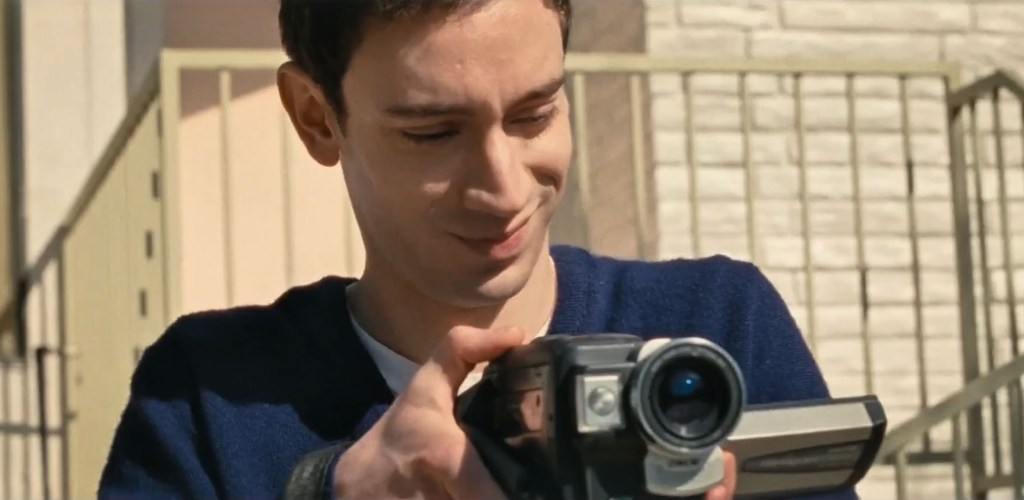

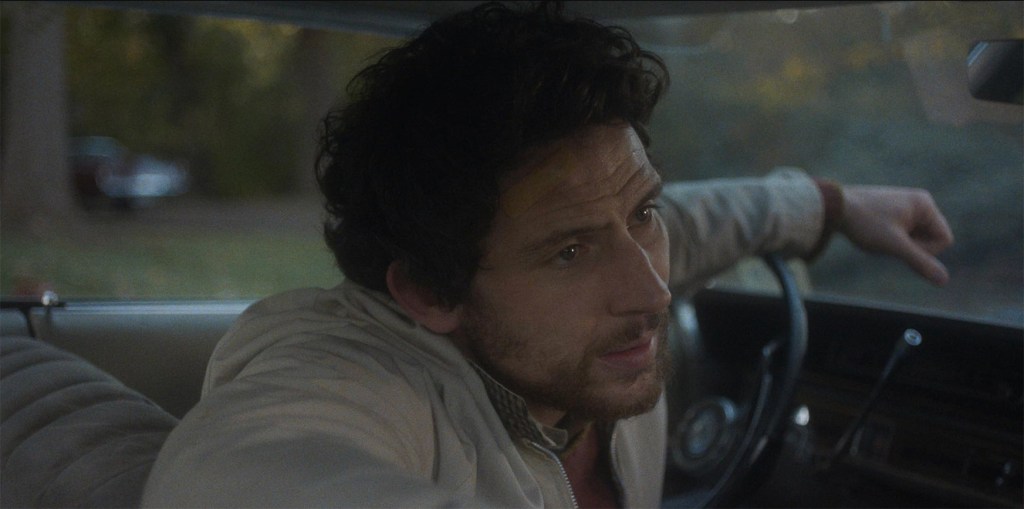
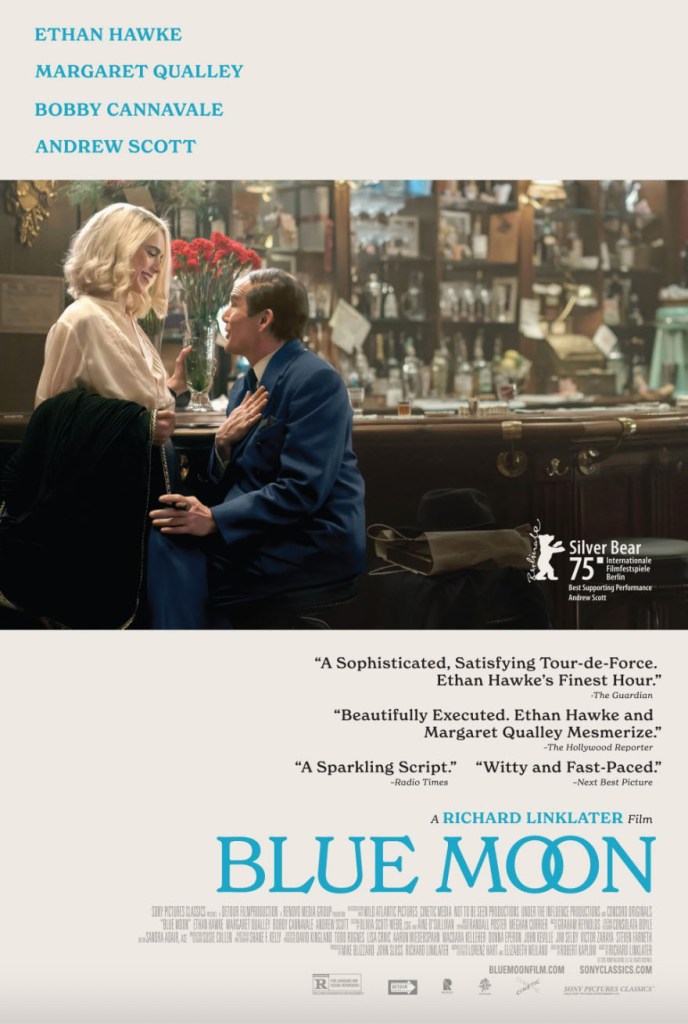
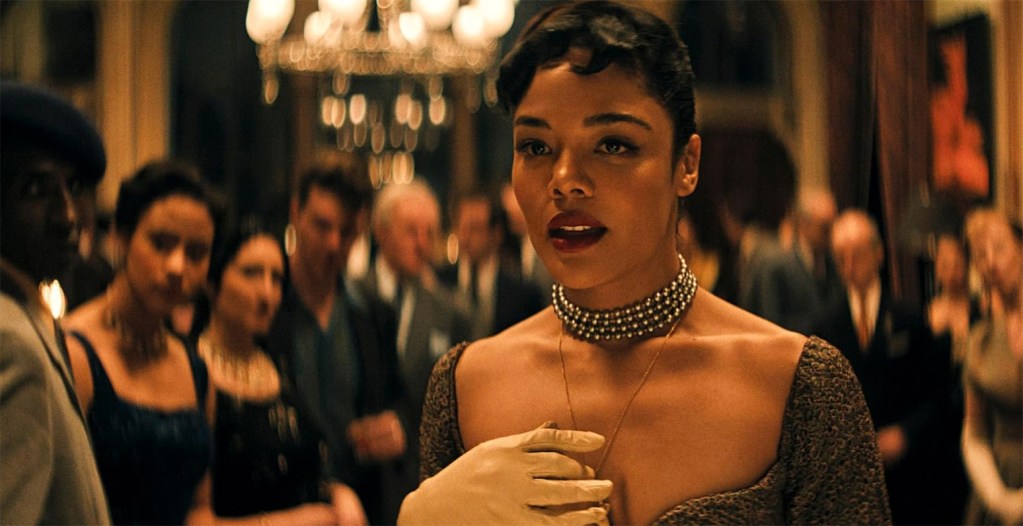
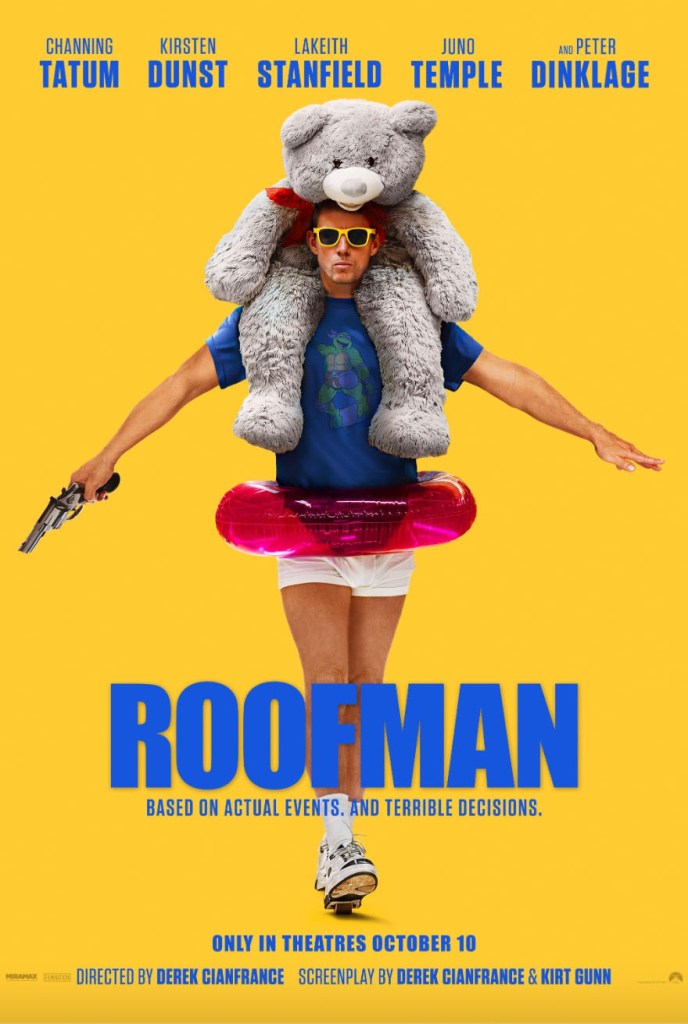
That’s the top baker’s dozen, and several more are worthy of mention: Steven Sodernergh’s characteristically slick spy-movie-cum-marriage-story Black Bag; Richard Linklater’s Blue Moon, an intense chamber-piece showcase for Ethan Hawke as the anguished and doomed Lorenz Hart; Hedda, Nia DaCosta’s clever mid-century reimagining of Ibsen’s Hedda Gabler, in which three powerhouse actresses – Tessa Thompson, Nina Hoss, and Imogen Poots – square off; Ethan Coen’s Honey Don’t!, with Margaret Qualley’s deadpan feminist detective wading through quotidian misogynistic sludge; Derek Cianfrance’s Roofman, deftly pairing Channing Tatum and Kirsten Dunst as a MacGyver-esque fugitive and his demure mark; and Urchin, written, directed by, and featuring Harris Dickinson in a remarkably poignant and hardnosed feature debut about the insidious tragedy of psychological self-neglect and surrender.



About the author: Jonathan Stevenson is a New York-based policy analyst, editor, and writer, contributing to the New York Times, the New York Review of Books, and Politico, among other publications, and a regular contributor to Two Coats of Paint.